
I worked with a client who had just given birth to her second child. When she went into labor early, the room wasn't organized when the baby was born, so she became overwhelmed and called me for help. This post shares the tips we used when organizing a nursery, based on our practical experience and what worked for a professional organizing client.
Whether you're a soon-to-be parent setting up a nursery for the first time or a sleep-deprived mom trying to make sense of a chaotic baby room, this guide will walk you through the entire process.
Updated for 2026 - a practical, step-by-step nursery organization guide based on real professional organizing experience.
Jump to:
- Why Nursery Organization Matters
- Before Organizing the Nursery
- Step 1: Clear out the cluttered areas.
- Step 2: Organize the Baby Closet
- Step 3: Organize the Changing Table
- Step 4: Assign a Home for the Diapers
- Step 5: Use Bins for Extras
- The Crib After Decluttering
- How Long Did It Take?
- Nursery Organization Zones to Set Up
- Feeding Station Essentials
- Laundry & Hamper Setup
- Nursery Hamper
- Safety & Baby-Proofing Organization
- Baby-proofing essentials
- Small Nursery? Space-Saving Tips
- Seasonal Clothing Rotation
- Maintaining Your Organized Nursery
- Other Nursery Organizing Tips & Products
- Drawer Organizers
- Misc. Nursery Organizer
- FAQ
Why Nursery Organization Matters
A well-organized nursery isn't about looking Pinterest-perfect - it's about reducing stress during the hardest, most sleep-deprived season of parenthood. When you're changing a diaper at 3 a.m., you don't want to be hunting for wipes. When grandma stops by to help, she should be able to find a onesie without calling you. Good organization saves time, saves sanity, and gives new parents one less thing to worry about.
Before Organizing the Nursery
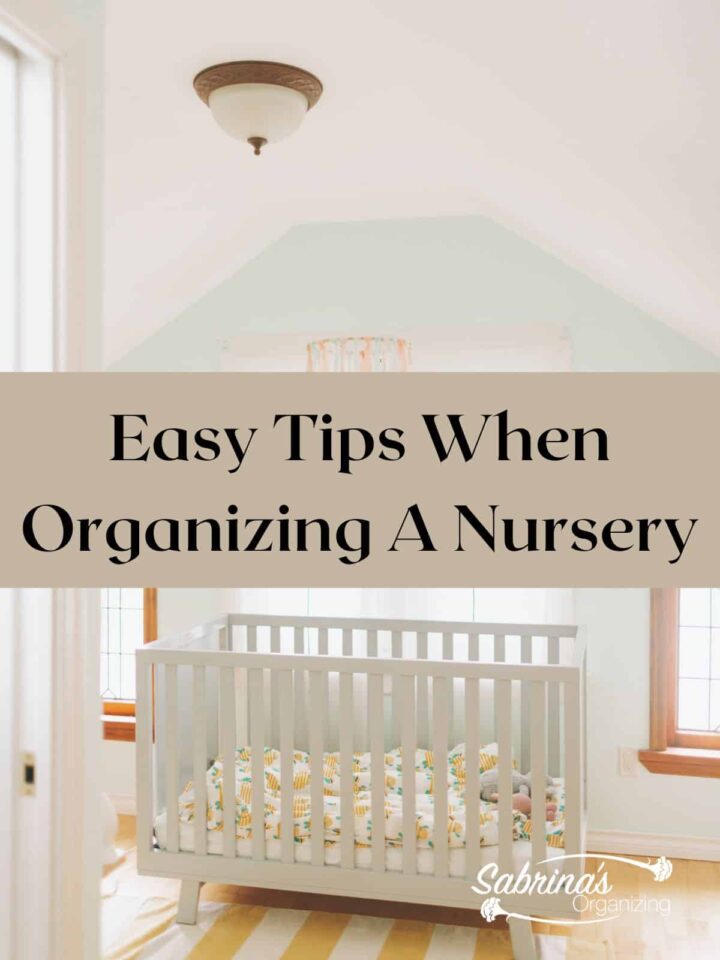
Here is a picture of the crib in my client's home. Don't worry; the baby wasn't sleeping in the crib until after we organized the room. No judgment here; the client was judging herself more than I could.
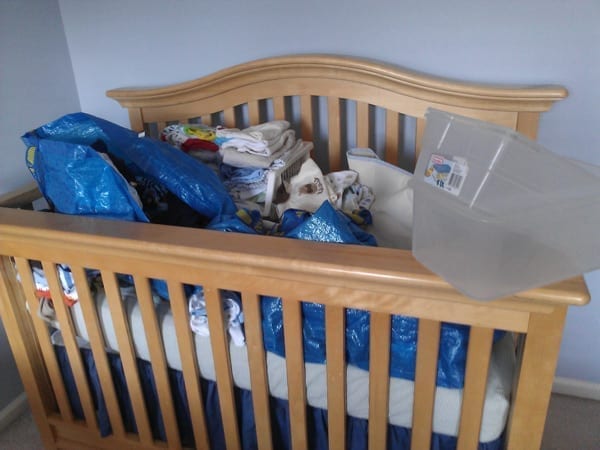
This post shows how we transformed a disorganized, stressful nursery into a tranquil room the baby could sleep in from that day forward - and how you can do the same.
Step 1: Clear out the cluttered areas.
First, we cleared out the areas. We went through pile after pile of baby clothes and got rid of anything too small. We were able to give away three large (affiliate) boxes (affiliate) - yay for us!
Pro tip: Sort clothing into four piles as you go: Keep / Donate / Too Small / Stained or Damaged. Don't second-guess - if it doesn't fit right now or in the next size up, it goes. Not sure where to donate? Check out my guide on where to donate baby items.
Related reading: Clutter Represents Indecisions - a great mindset reset if you're struggling to let go.
Step 2: Organize the Baby Closet
In the closet, we added totes (affiliate) at the top to store blankets (affiliate) and other clothing we would donate. The clothing that was used was stored in these upright, stackable bins.
We determined that hanging one-piece outfits was a waste of time, so we folded all the clothes and left only the nicer outfits on hangers (affiliate). We used the bins in the closet for various types of outfits. Since the containers are removable, the mom can move the heaviest items to the top when it gets colder.
Closet Organization Best Practices
- Use closet divider rings by size (NB, 0-3M, 3-6M, etc.) so you always know what fits right now.
- Put the current size at eye level. Next size up goes on an upper shelf, outgrown clothes go in a donate bin immediately.
- Hang only the "nice" stuff - dresses, outfits for photos, jackets. Everything else folds.
- Add a hanging caddy (affiliate) for small accessories like bibs, hats (affiliate), and mittens.
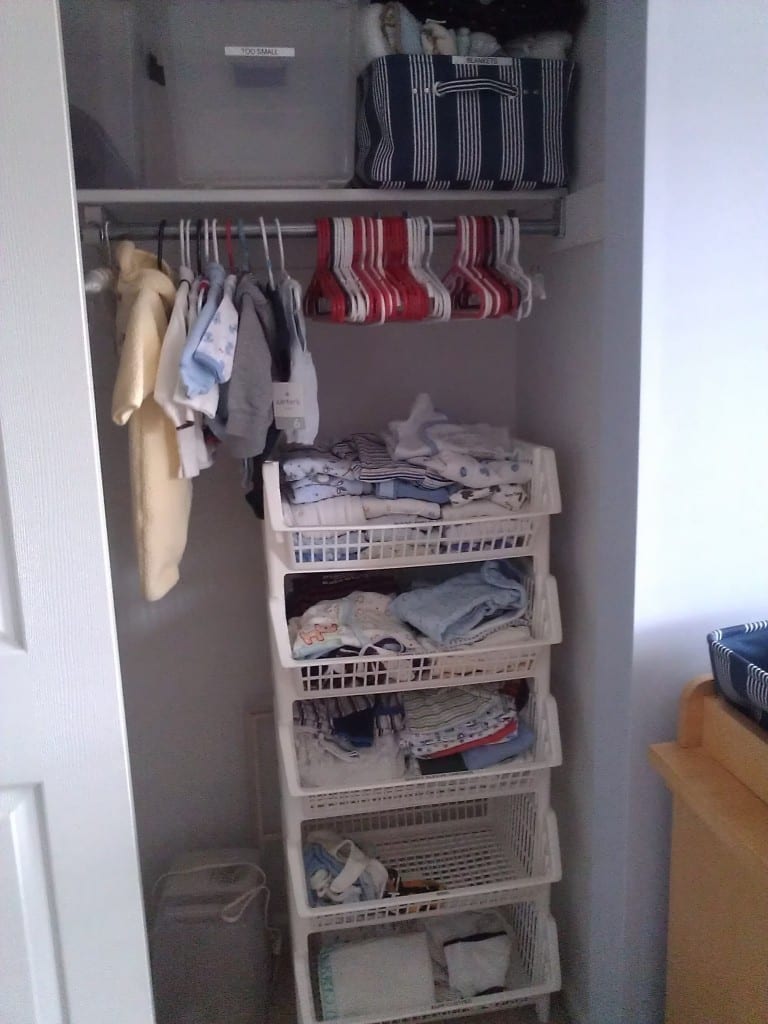
Below are some closet organization options and baby room organizing (affiliate) products for organizing a nursery, which I found on Amazon (affiliate).
Nursery Closet Organizers

ClosetMaid Wire Shelf Kit with Hardware, 4 Ft. Wide
Buy Now →
Closet Hanging Rod, Width and Height Adjustable Closet Extender Hanging by STARTOSTAR
Buy Now →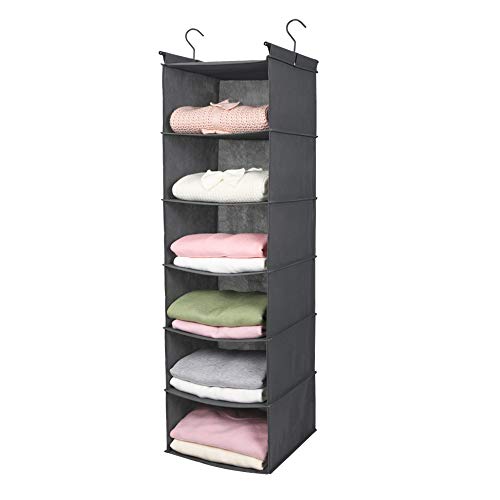
Hanging Closet Organizer 6 tier, (Grey)
Buy Now →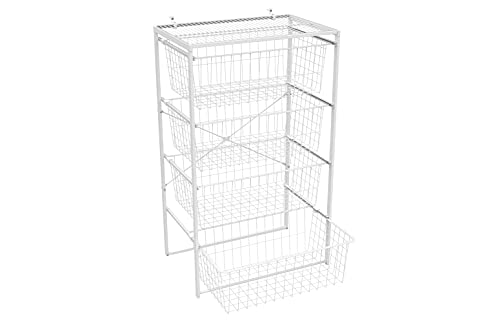
ClosetMaid Wire Basket 4 Drawer Organizer Unit
Buy Now → Buy Now →
 (affiliate)
Publish the work of your little artist in their very own book! Start by filling an Artkive Box with art, then we'll transform it into a vibrant book that showcases your child's creativity.
Learn more and order your book just in time for the holidays!


Step 3: Organize the Changing Table
Next up was the changing table. On top, we placed a bin for wipes, a row of diapers, and baby cream for quick changes - everything within arm's reach.
The changing table was following. Here is the changing table closed. On top, we placed a bin for wipes, a row of diapers, and baby cream for quick changes.
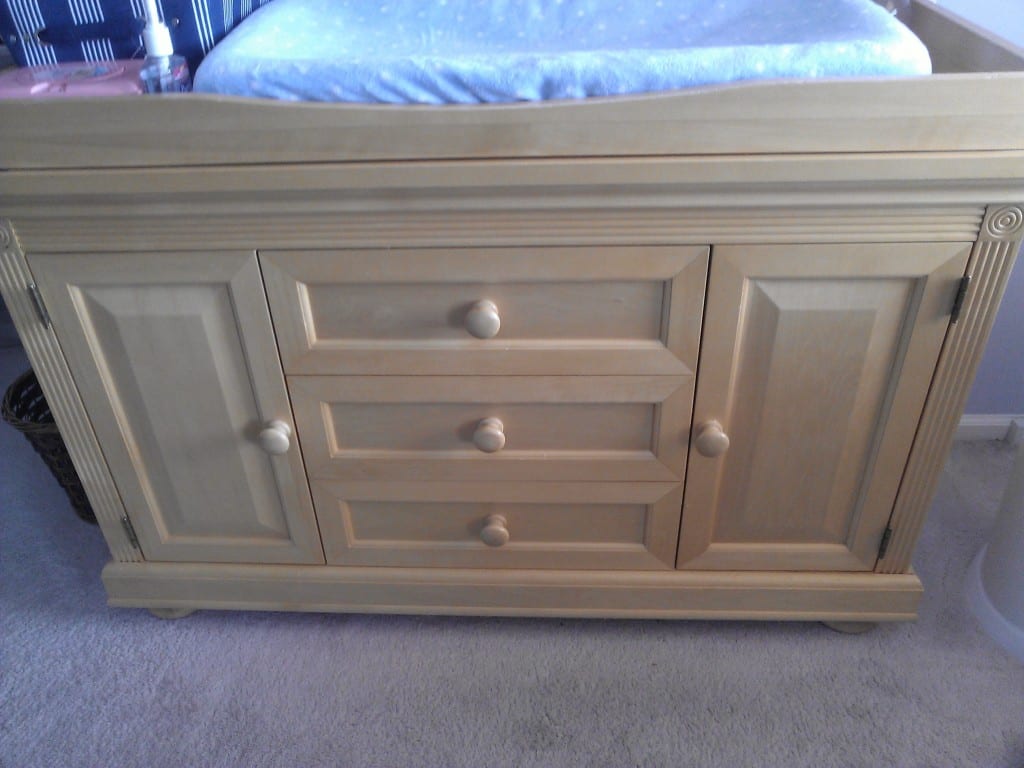
Inside the changing table.
Below is the changing table opened. Check out the magic! We started by adding a plastic shoebox bin and placing the baby's shoes and socks in it. It didn't need to be neat - just accessible.
The baby did have an extra changing table pad just in case he soiled himself on the other one, so it now had a home in this drawer.
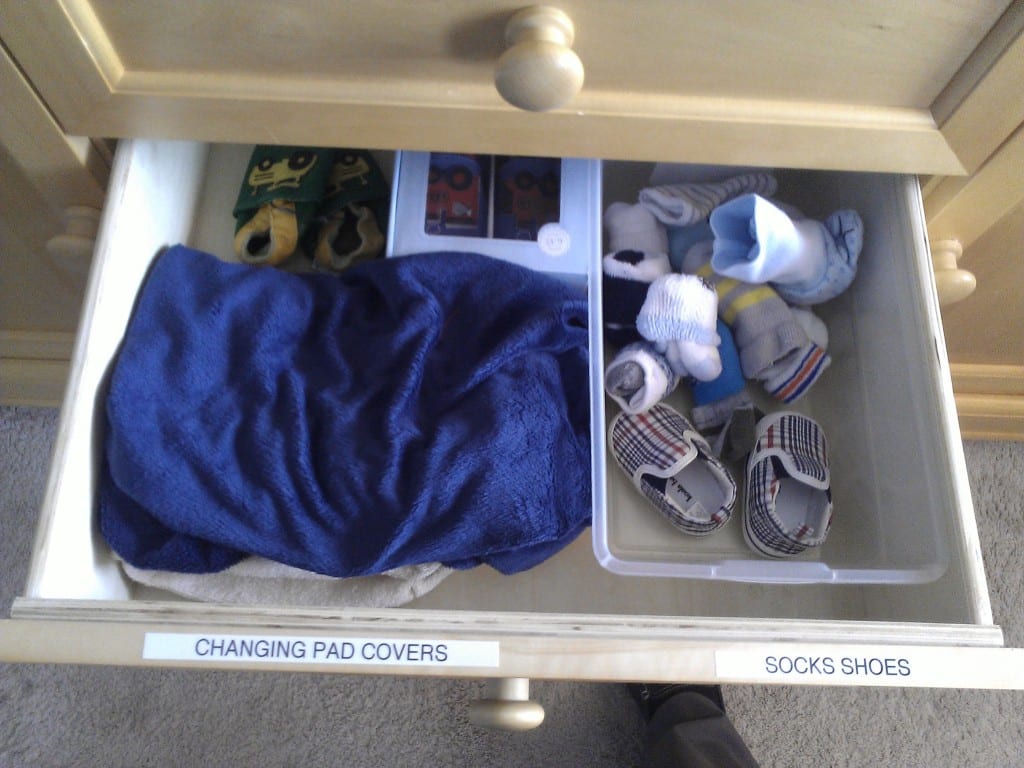
The Upper Drawer - Arm's Reach Essentials
The next drawer we organized was the one closest to the top. Everything here needed to be within arm's reach of the changing pad, because the golden rule of diaper changes is: never take both hands off the baby.
We placed changing pad covers, socks, and baby shoes (affiliate) in the drawer. We didn't label (affiliate) this drawer since the mom could easily see everything she needed at a glance.
This drawer contained the necessary baby supplies, such as nail clippers. The bottom drawer contained clothes that were not often used, such as pants.
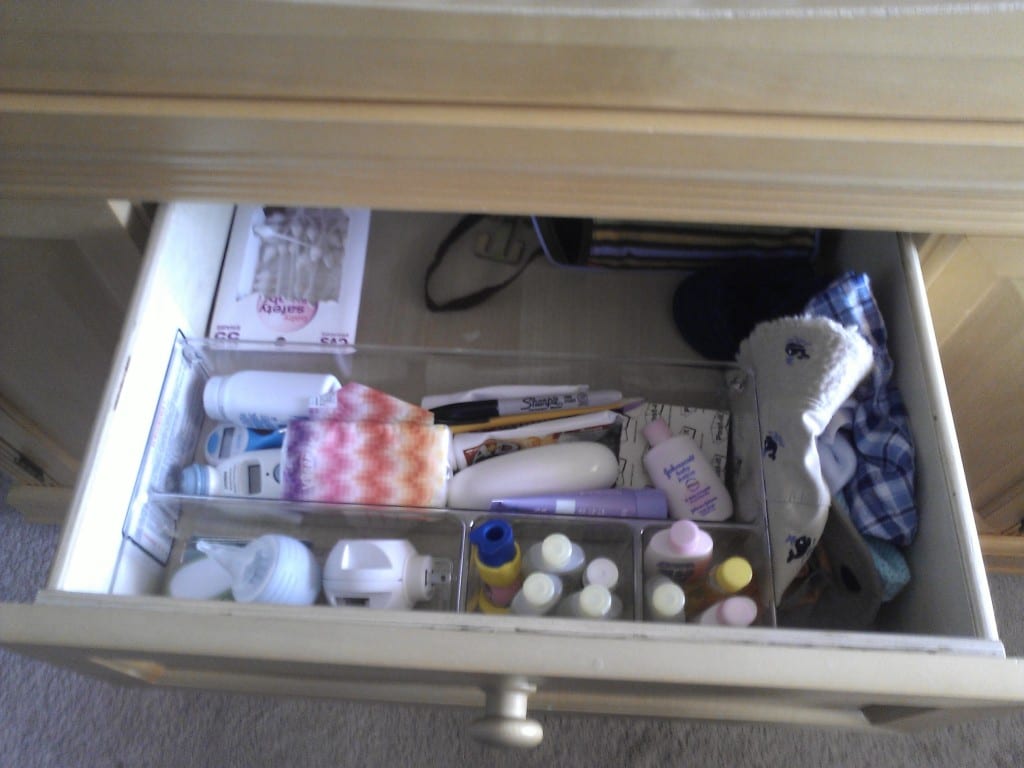
Changing Station Must-Haves Checklist
Below are the items that should be in your changing table.
Diapers (at least a day's supply visible)
Wipes (two packs - one open, one backup)
Diaper rash cream (affiliate)
Changing pad covers (2-3)
Disposable pads
Hand sanitizer (affiliate)
A few pacifiers
Baby nail clippers and a baby brush
Backup onesie for blowouts

Step 4: Assign a Home for the Diapers
Diapers are stored in the left-side cabinet of the changing table. They all fit! The key (affiliate) was keeping them as close to the changing pad as possible.
Pro tip: Always keep a "go-bag" stash in another room, too. A small basket with 5-6 diapers, wipes, and a changing pad in the living room saves you countless trips upstairs.
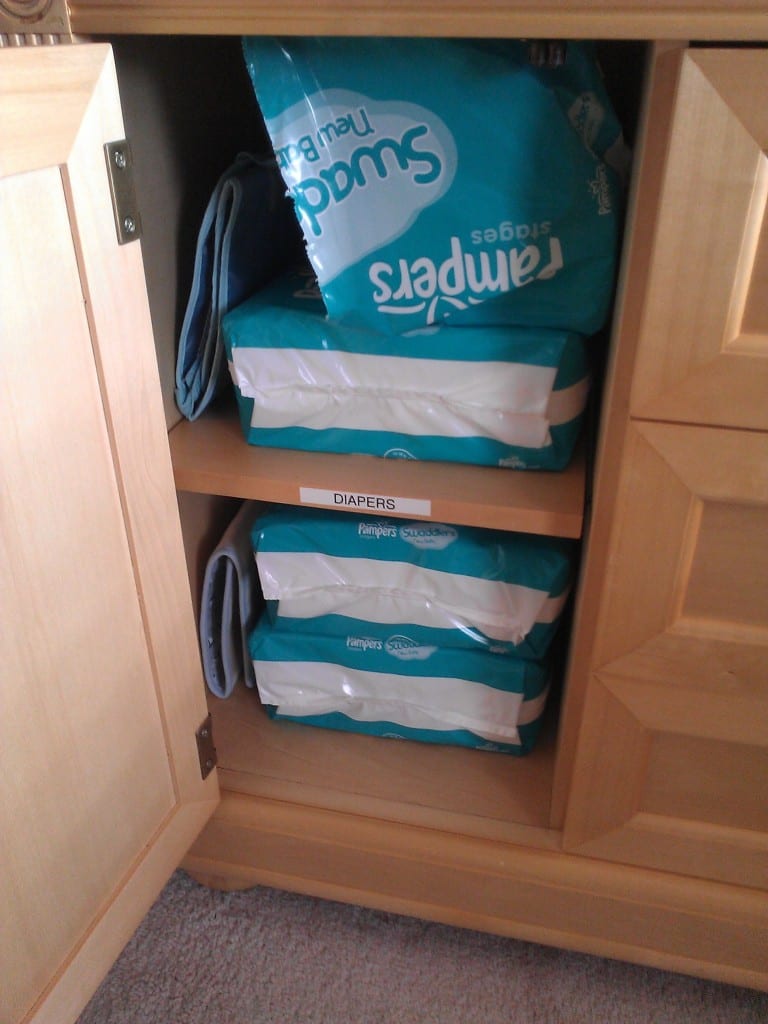
Step 5: Use Bins for Extras
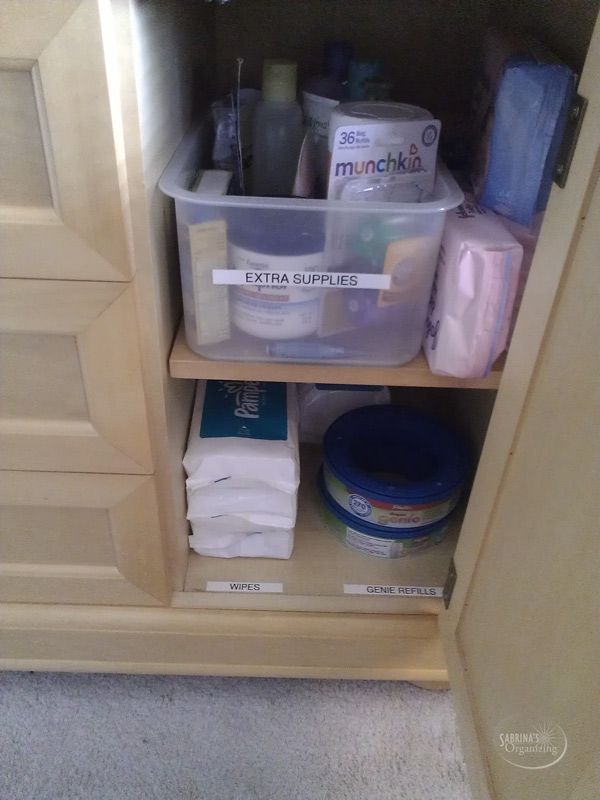
The right side of the cabinet was designated for extra supplies - wipes, Diaper Genie refill bags, extra shampoo (affiliate), and baby moisturizer. These don't need to be grab-and-go accessible, but they should be easy to restock. We used a plastic shoe bin to bring everything together.
The Crib After Decluttering
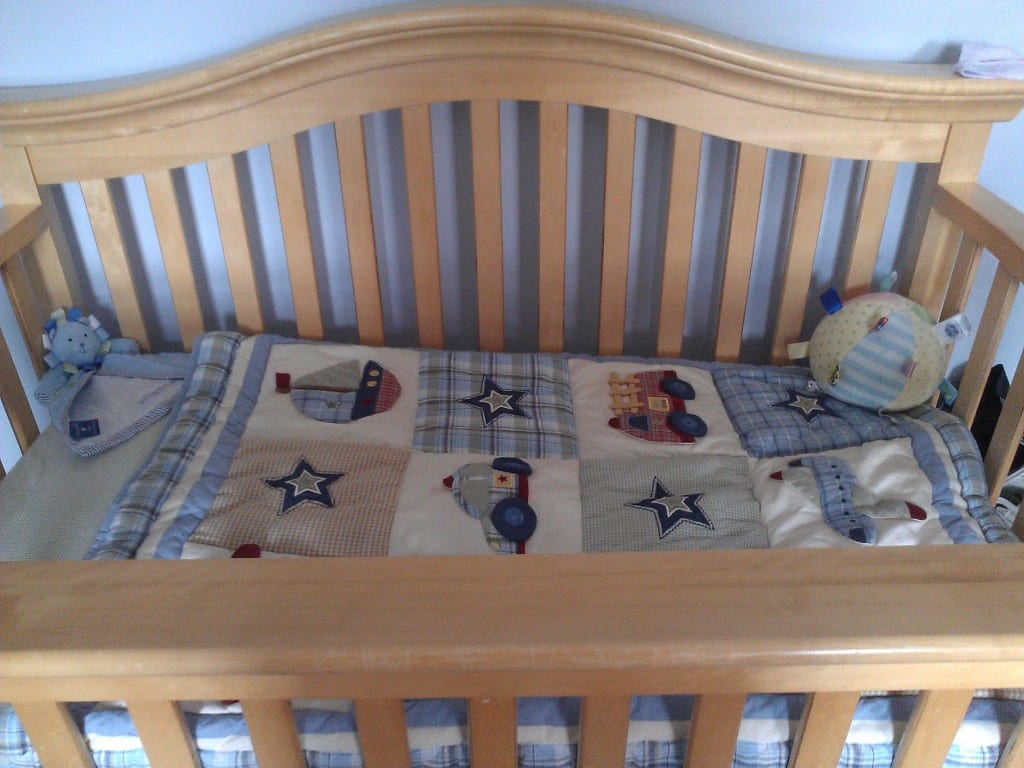
Here is the photo of the baby's crib after we finished decluttering. If you have other family members dressing your child, label (affiliate) everything, as we did here.
How Long Did It Take?
It took us two hours to completely declutter and reorganize the nursery. She was so happy with the results - she said it made her feel like she could handle anything. That's the power of a well-organized space during a stressful life transition.
Nursery Organization Zones to Set Up
One of the biggest mistakes new parents make is thinking of the nursery as a single room rather than four distinct zones. Here's how I break it down:
1. The Sleep Zone
This area includes a crib, a white noise machine, blackout curtains, and a nightlight. Keep this area minimal - no stuffed animals or blankets (affiliate) in the crib for safety.
2. The Changing Zone
This area has a changing table, diapers, wipes, creams, and a trash/diaper pail. Everything within arm's reach.
3. The Feeding Zone
This area is for a comfortable chair (affiliate), nursing or bottle supplies, burp cloths (affiliate), a side table with water and snacks for mom, and a dim lamp.
4. The Dressing & Storage Zone
And, this zone is for the closet and dresser with organized clothing by size, bins for hand-me-downs, and a hamper.
This zoning approach is similar to what I recommend for an organized child playroom - the same principles apply as your baby grows.
Feeding Station Essentials
Whether you're nursing, bottle-feeding, or both, a dedicated feeding station is a game-changer for middle-of-the-night feeds.
What to include in the feeding station:
- Comfortable glider or rocker with a side table
- Burp cloths (affiliate) (keep 6-8 within reach)
- Nursing pillow (affiliate) (if nursing)
- Bottles, formula, and bottle warmer (if bottle-feeding)
- Water bottle and a snack basket for mom
- Dim lamp with a warm bulb - Affiliate (avoid bright overhead lights at night)
- Phone charger like this Wireless Charger 3-1 for iPhone MagSafe Foldable (affiliate)
- A small caddy (affiliate) to corral everything
Laundry & Hamper Setup
Babies generate an astonishing amount of laundry. Set up a two-compartment hamper from day one:
- Compartment 1: Regular wash
- Compartment 2: Stained items that need pre-treating
Keep a stain spray and a small container of OxiClean Baby right next to the hamper so you can treat blowouts and spit-up before they set.
Nursery Hamper

Double Laundry Hamper with Lid
Buy Now →(affiliate)
Safety & Baby-Proofing Organization
Organization and safety go hand in hand in a nursery. A few essentials to keep in mind:
- Anchor all furniture to the wall - dressers, changing tables, bookshelves (affiliate). Tip-overs are a leading cause of nursery injuries.
- Keep cords and monitor wires at least 3 feet from the crib.
- Store diaper cream, medications, and small items up high - babies become mobile faster than you think.
- Use drawer locks once the baby starts pulling up.
Baby-proofing essentials

Furniture Anchors (10 Pack) Anti Tip Furniture Straps for Baby Proofing
Buy Now →
Outlet Baby Proof Covers, Secure Outlet Plugs, Baby Proofing, 36 Count
Buy Now →(affiliate)
Small Nursery? Space-Saving Tips
Working with a tiny nursery or a shared room? You're not alone. I've written a whole post on small nursery organization ideas, but here are the key (affiliate) strategies:
- Go vertical when finding storage. Wall shelves (affiliate) and over-the-door (affiliate) organizers add storage without taking floor space.
- Use a dresser as a changing table with a contoured changing pad on top - it's furniture that does double duty.
- Under-crib storage bins are gold (affiliate) for stashing extra sheets, blankets (affiliate), and clothes.
- Rotate toys and clothes instead of displaying everything at once.
Seasonal Clothing Rotation
Babies outgrow clothes in weeks, not months. Set up a simple rotation system:
- Current size have it be easily accessible (drawer or closet at eye level)
- The next size up is stored in a labeled bin within the closet
- Outgrown ones are immediately bagged for donation or packed away for a future sibling
Every month, spend 10 minutes pulling out anything that's getting tight and moving up the next size. This one habit prevents the #1 nursery clutter problem.
Maintaining Your Organized Nursery
The real secret to a nursery that stays organized is a weekly 10-minute reset:
- Restock diapers and wipes at the changing station
- Empty the diaper pail
- Run a load of baby laundry
- Put away any stray toys or clothes
- Wipe down the changing pad
That's it. Ten minutes a week keeps the whole system running.
For more mom-tested habits, check out Confessions of an Organized Mom and my Baby Room Organizing Ideas post.
Other Nursery Organizing Tips & Products
Hanging Diaper Caddies (affiliate)
The link above is hanging diaper caddies (affiliate). Many diaper caddies (affiliate) are designed for changing tables without built-in storage. They strap to the dresser or changing table and hold diapers, wipes, and other essentials all in one place.
Foldable Drawer Organizers
Foldable drawer organizers (affiliate) are perfect for separating tiny clothing items - socks, mittens, hats (affiliate), onesies - inside a single drawer. When you no longer need them, they collapse flat for storage.
Drawer Organizers
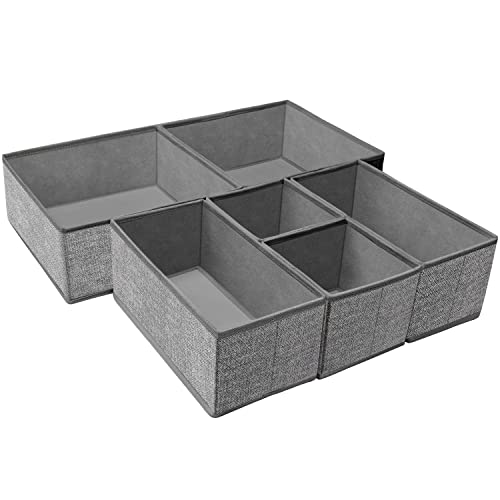
Foldable Underwear Drawer Organizer, Closet Dividers, Storage Box for Clothes, Socks (6 Bins, Gray)
Buy Now →(affiliate)
Other Must-Have Nursery Organizers
- Over-the-door (affiliate) shoe organizer (affiliate) - repurposed for hats (affiliate), mittens, bibs, and small toys
- Labeled storage bins - for toys, books, and keepsakes
- A keepsake box - for hospital bracelets, first outfit, etc. (see my review of the Keepy app for organizing kids' mementos)
- Wall-mounted shelves (affiliate) for books and decor (out of baby's reach)
Misc. Nursery Organizer
 Buy Now →
 (affiliate)
FAQ
Ideally, in your second trimester, but honestly? It's never too late. I've helped moms organize nurseries after a baby arrived (like my client in this post), and it still works.
Keep diaper-changing supplies within arm's reach of the changing pad. Everything else is negotiable.
Use visual dividers (a bookshelf, a curtain), give the baby their own zone, and store baby-specific supplies in closed bins so the older child isn't tempted.
Yes. Trust me on this one. A regular trash can won't contain the smell.
Please note that this post contains affiliate links, and at no additional cost to you, I will earn affiliate fees if you decide to make a purchase.
I hope this extensive real-world nursery organization helps you (or the new parent in your life) create a calm, functional baby room! Please share with your soon-to-be or new parents.
Below are some additional baby room organization tips and gift (affiliate) ideas!






Linda Samuels says
I love how you helped this overwhelm mom of a newborn to organize and create calm in her nursery. It's amazing you did all of that in two hours! Bravo!!!!
Having a newborn is wonderful and stressful. Lack of sleep and raging hormones are present. When things aren't organized, that can add more stress. Helping her with something concrete made such a difference. Using labels is great, too, because anyone else who is there to help out will know where things are.
Julie Bestry says
Baybeeeeeeeee! OK, I guess I get a little excited about anything for children and especially babies. Although I've never had a baby, I've organized a lot of nurseries, some of which having started out as the family junk room. That requires total decluttering, sanitizing, reorganizing furniture, and setting up all the great kinds of systems you display. I don't think new parents realize how important organization (especially of a changing table) will be for them, especially during those sleepy 2 a.m. feedings and changings.
Great points, and I loved that you included labels to that Dad (cough, cough), grandparents, older siblings, babysitters, and others can help maintain the systems to make less work for Mom!
Diane Quintana says
These are fabulous tips, Sabrina. Keeping everything close at hand is important. Plus, using labels so that if someone (like Grandma) is there helping, she can easily figure out where to find things and where to put things back.
Seana Turner says
The beauty of organizing a baby's room is that everything in it, including the soon-to-be resident, are adorable!
My changing table was old fashioned with just open shelving underneath. I would have liked one with drawers, so that items could be stored conveniently but also concealed. There are so many great options out there now that weren't available when I was in the market.
At the same time, great to realize you can just use what you have. Something very affordable like that drawer organizers or a hanging caddy can turn any space into a working one. I might have a caddy up and another downstairs (if you live in 2 levels) because who wants to run upstairs to change diapers all day?
What a fun project!