
Have you ever walked into your kitchen, wondering what to make for dinner, and then felt so overwhelmed by the clutter that you ordered takeout instead? You're not alone. I hear this from clients all the time.
In 2026, our kitchens work harder than ever. They're where we cook, make coffee (affiliate), sort mail, charge phones, help with homework, and sometimes even work from home. When a kitchen doesn't function, everything slows down. The good news? You don't need a remodel to fix it. You need a plan. Here are the seven steps I use with my clients to bring usability back to the kitchen, plus new tips I've added for this year.
Estimated reading time: 11 minutes
Quick Answer: How do you make a kitchen more usable? Empty and edit every cabinet and drawer, then set up zones for how you actually cook (coffee (affiliate), baking, prep, cleanup). Give every item one home, corral papers in a command center, keep the junk drawer small, group pantry (affiliate) items by type, and let go of tools (affiliate) you don't use. A usable kitchen is one where you can find what you need in under 30 seconds.
Key Takeaways
- Kitchen usability involves organizing your space for easy cooking, cleaning, and movement.
- Clear out all cabinets and drawers, tackling one zone at a time with bins labeled Keep, Relocate, and Donate.
- Establish specific zones for activities like cooking and snack prep to streamline workflow.
- Make sure everything has a designated place, using labels (affiliate) to help family members maintain organization.
- Implement a weekly 20-minute reset routine (affiliate) to keep your kitchen functional and clutter-free.
Jump to:
- Key Takeaways
- Clear out ALL cabinets and drawers
- Have zones for all your activities
- Everything has a place
- Make a Command Center
- Create Order in a Disorganized Junk Drawer
- Pantry Transformation Made Easy
- Go through the Unused Kitchen Tools in your drawers
- New for 2026: Kitchen Usability Hacks
- Your 20-Minute Kitchen Reset Routine
- FAQs
Clear out ALL cabinets and drawers
Revisit every drawer and cabinet in your kitchen, including the spaces far below and above. Ask yourself whether you'll use these items. If not, get rid of them or give/donate them. If you decide to keep them, move them to an area that will remind you to use them. You can store some items in other areas of the home, especially if you don't use them more than once a year.
2026 Update: Work one zone at a time instead of emptying the whole kitchen at once. Set a 20-minute timer and tackle a single cabinet. Use three bins labeled Keep, Relocate, and Donate. Before you put anything back, wipe the shelf and add shelf liner (affiliate). If you have duplicates (three can openers, five spatulas), keep your favorite and donate the rest.
Have zones for all your activities
If you like hot beverages, have a beverage station. (Learn how to make a beverage station by clicking: How to Make a Fabulous Beverage Station that will amaze your entire family.) If you bake, create a section for baking supplies and prep. If you like to cook with herbs (affiliate) and spices (affiliate), have a space for all your herbs (affiliate) and spices (affiliate). Create a prep area for prepping your meals. Whatever tasks you do in your kitchen, design your counters and cabinet spaces to support them. Read more about zones in this post about how to create zones in your kitchen.
2026 Update: Think about the zones your family uses now. Popular ones that I have set up in 2026:
- Snack zone at kid height so little ones can help themselves
- Lunch-packing zone with containers, lids, and reusable bags in one spot
- Charging zone to keep cords off the prep counter
- Small appliance zone for the air fryer (affiliate), blender (affiliate), or espresso machine you use daily (everything else goes in a cabinet)
Rule of thumb: store items within one step of where you use them.
Everything has a place
Everything must have a home in the kitchen. When you think of your kitchen, can you see where everything goes when you close your eyes? To make a room purposeful, you must first determine that all the items in the room are supposed to be in the space. Are there items in the room that don't belong in the area? If you answer yes, remove them right away.
2026 Update: Labels (affiliate) make "everything has a place" stick, especially for the rest of the family. Use simple labels (affiliate) on shelves (affiliate) and bins so anyone can put things back. And try the "one in, one out" rule: when a new appliance or gadget comes in, an old one leaves.

Label Maker - P-touch CUBE Plus Bluetooth, white uses an APP
Buy Now →
Label Maker By Brother P-Touch, PTM95,
Buy Now →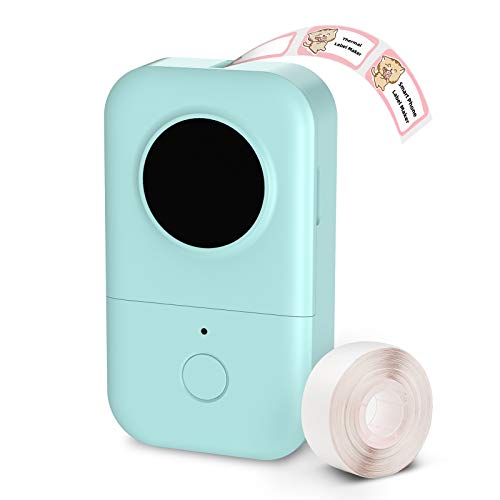
Label Maker Machine with Tape by Phomemo
Buy Now →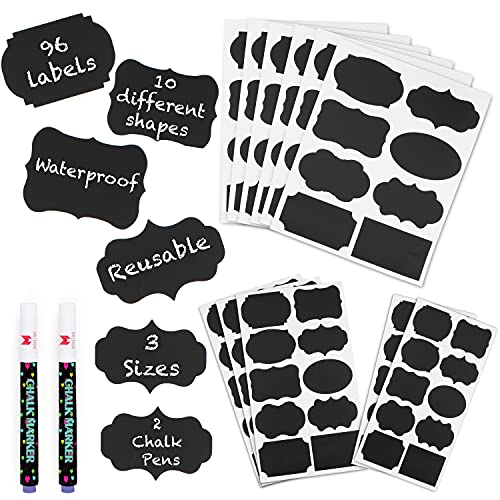
Label Stickers 96pcs by Mantah Chalkboard
Buy Now →(affiliate)
Make a Command Center
Command Centers are critical in the kitchen. They give you a place to focus on organizing papers instead of piling documents in no particular order on the kitchen counter. This area holds a calendar, a place to file papers, and a place for current, immediate, and reference paperwork. Read this post about how to create an organized command center in your home.
2026 Update: Most families now run a hybrid system: a wall calendar or whiteboard for at-a-glance plans, plus a shared digital calendar (affiliate) on everyone's phone. Keep the paper side lean with an inbox tray for incoming mail and a weekly 10-minute "paper sweep." Shred or recycle anything you can. Need help with kids' papers? See The Best Way to Organize School Papers at Home.
Create Order in a Disorganized Junk Drawer
Make the smallest drawer in your kitchen the infamous junk drawer. The smaller the drawer, the less full it will get, and the more control you'll have over the clutter and what you put in it. Purchase a junk drawer organizer (affiliate) with lots of compartments to help manage the clutter. Be sure to measure the drawer and search for those dimensions on Amazon (affiliate) to find one that fits. Read this post about 14 Essential items to keep in your junk drawer for assistance.
2026 Update: Give your junk drawer a job description. Mine holds tape, scissors (affiliate), pens, a small flashlight, spare batteries, and rubber bands (affiliate). If something doesn't fit the description, it moves out. Empty the drawer completely once a season, and you'll never have a "mystery" drawer again.
Pantry Transformation Made Easy
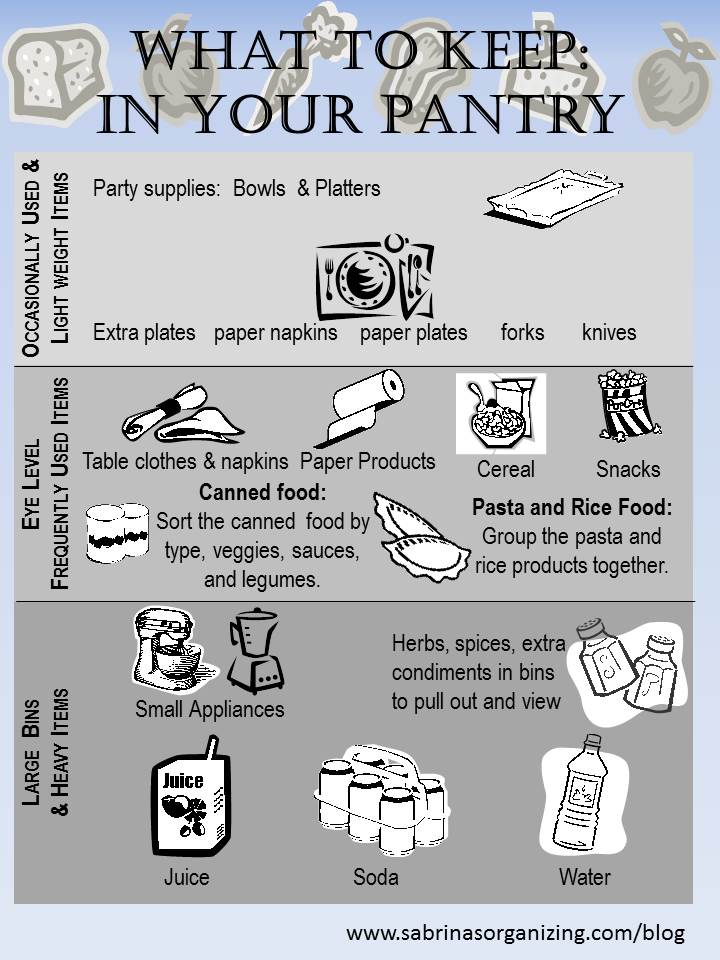
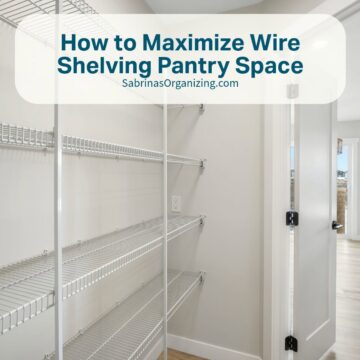
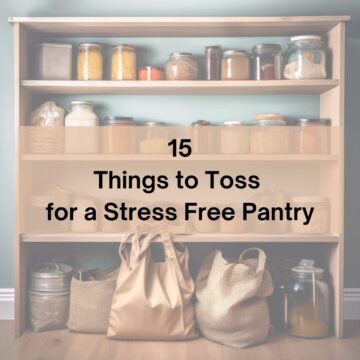
Create subsections in your pantry (affiliate) that will help you manage your stuff. Visit What to keep in your organized pantry post,00 which shares details on the image below. Group like items together. Canned beans with other canned beans, soups with other soups, etc If you want to make a quick meal, have a few baskets that hold the ingredients for a particular weekly dish. Preparing these baskets at the beginning of the week will help with time management on those rushed evenings.
2026 Update: Use clear bins and "first in, first out" (FIFO) so older items move to the front. Keep a running grocery list on your phone or fridge and add items the moment you open the last one. A quick weekly pantry (affiliate) scan before shopping helps cut food waste and saves money. For more, see How to Organize Your Pantry to Cut Your Grocery Bill.
Go through the Unused Kitchen Tools in your drawers
Clear out any broken, worn, or not needed kitchen tools (affiliate). Compartmentalized your drawers with customized bins that fit each tool or type of tools (affiliate). The kitchen tools (affiliate) could be anything from a wooden spoon to a baking platter (affiliate). These tools (affiliate) tend to accumulate over time and can make a space hard to keep organized when these areas are overly stuffed.
After clearing out the drawers, you may want to reorganize the area. Measure your drawer's width and length. These measurements will help when finding the right bin for inside the drawer. With these measurements, take your largest and smallest kitchen tools (affiliate) to the store to see whether they fit in your drawer organizer (affiliate). Then buy a few of these bin sizes to adjust the drawer's width and length.
2026 Update: Before buying bins, take photos of your drawers with the measurements written on your phone. It makes shopping (in-store or online) so much easier. Expandable bamboo organizers are great if you might move or remodel, since they adjust to different drawer sizes. If you haven't used a tool in a year, it's time to let it go.

Drawer Organizers 6 Pack, 4.65'' High Adjustable from 12.5-17'' Bamboo Drawer Dividers
Buy Now →(affiliate)
New for 2026: Kitchen Usability Hacks
These are the small changes that make the biggest difference in my clients' kitchens this year:
- Use vertical space. Shelf risers inside cabinets double your storage for mugs, plates, and canned goods.
- Add pull-outs to deep cabinets. Pull-out drawers or bins under the sink and in lower cabinets mean no more crawling to reach the back.
- Try a lazy Susan. Use one in corner cabinets, in the fridge for condiments, and in the pantry (affiliate) for oils and vinegars.
- Clear the counters. Keep only items you use every day out. Everything else gets a cabinet home.
- Hang it up. Over-the-door (affiliate) racks on the pantry (affiliate) door and hooks inside cabinet doors hold foil, wraps, and measuring cups (affiliate).
- Store by frequency. Everyday items go between your shoulders and knees. Holiday platters (affiliate) and once-a-year tools go up high or in another room.
- Build a "landing spot." One small tray by the door for keys, sunglasses, and mail keeps the counters clear.
Your 20-Minute Kitchen Reset Routine
Organizing is only half the battle. Maintenance is what keeps your kitchen usable. Here's a quick weekly reset:
- 5 minutes: Clear counters and return items to their homes.
- 5 minutes: Sort the command center (affiliate) inbox. Place them into these categories: Toss, File, or Act.
- 5 minutes: Scan the fridge and pantry (affiliate). Toss expired items and add to your grocery list.
- 5 minutes: Reset one drawer or one shelf.
Do this every Sunday and your kitchen will stay ready for the week ahead.
FAQs
Kitchen usability means how easy it is to cook, clean, and move around your kitchen. A usable kitchen has clear counters, zones that match how you cook, and items stored close to where you use them, so you can find what you need quickly.
Start by clearing out one cabinet or drawer at a time. Remove everything, toss broken or unused items, wipe the space, and put back only what you use. Working in small sections keeps you from feeling overwhelmed.
Kitchen zones are areas set up for specific tasks, like a coffee station, baking zone, prep zone, cleanup zone, and snack zone. Storing items in the zone where they're used saves steps and time.
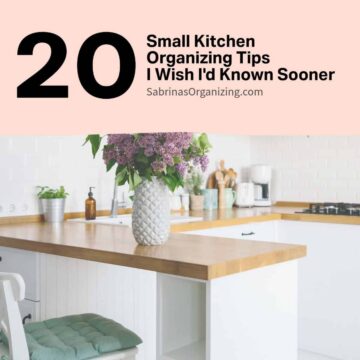
Use vertical space with shelf risers and hooks, keep counters clear of anything you don't use daily, store rarely used items outside the kitchen, and choose multi-purpose tools. See my 20 Clever Small Kitchen Organizing Tips for more ideas.
Keep only what you use every day, like a coffee maker, a knife block or utensil crock, and a cutting board. Everything else should have a home in a cabinet, drawer, or pantry.
Do a quick 20-minute reset once a week and a deeper declutter of cabinets, drawers, and the pantry once a season (about every three months).
Everyday essentials like tape, scissors, pens, a small flashlight, spare batteries, rubber bands, and twist ties. Visit my post for several items you can easily store in a junk drawer. Use a drawer organizer with compartments and use your smallest drawer so clutter can't pile up.
Put kid-friendly snacks, cups, and plates in a low drawer or shelf, label bins with words or pictures, and give everyone a simple job during the weekly reset. When kids know where things go, they can help keep it that way.
Once you put these steps into action, your kitchen becomes a place you want to cook in, not one you avoid. You'll spend less time searching and more time making meals your family enjoys, and you'll be less tempted to order takeout.
Start small. Pick one drawer or one zone this week and build from there. I'd love to hear what's working in your kitchen, so share your favorite kitchen organizing tip in the comments below!
Visit some of these articles below from other experts.
The 10 Commandments of a Clutter-Free Kitchen
Feel free to visit my other kitchen posts!




Linda Samuels says
I've been working for a client this week and last on a kitchen and pantry reorganization. It's atypical for me to do this work in absentia, so it's been an exciting and fun challenge. It is very satisfying to create zones, make spaces work, organize like with like, and use organizing bins, drawer inserts, and racks to maximize space and minimize clutter. The Container Store has been my go-to resource.
Sarah Soboleski says
Since my kiddo started Kindergarten this year, I've been all about the command center! #toomanyschoolpapers
And of course, I had to pin this to my kitchen organizing board. 🙂
Seana Turner says
The kitchen is my FAVORITE room to organize for a couple of reasons. You use it all the time, so the investment pays immediate rewards. It tends to have fewer sentimental items, making it easier to shed. Many of the items in the kitchen have expiration dates, telling you to get rid of them. Setting up functional systems is totally possible, as you've outlined above. My biggest tip is to architects -- stop designing kitchens without pantries. They are so useful:)
Sabrina Quairoli says
I know, right! I had to be without a pantry for years until we designed our own kitchen.
Stacey Agin Murray says
Great advice, Sabrina. I have a bin in a lower kitchen cabinet called 'Kitchen Tools I Rarely Use.' It's filled with items I rarely use but still need to keep for holidays and seasonal occasions such as my apple corer, lobster cracker, or turkey baster. Instead of them taking up space it the drawer reserved for everyday cooking tools, they are grouped together away from my everyday tools and I always know where to find them. You're right--a usable, functional kitchen will make meal prep and cooking a less overwhelming experience.