If your grocery bill feels higher than it should be, your pantry (affiliate) might be part of the problem. Most people aren't overspending on groceries on purpose. It usually comes down to not knowing what they already have.
When items get pushed to the back, expire, or get forgotten, it leads to waste and duplicate purchases. You might buy another box of pasta, another jar of sauce, or another set of snacks, simply because you didn't realize you already had them. Over time, that adds up more than most people think. This post will give you easy steps to minimize pantry (affiliate) clutter and help you find food products that might be misplaced and bought again. Resulting in an easy-to-find things pantry (affiliate) so as not to duplicate purchases.
This is a guest post by Gillian Economou from Sort It Out.
Jump to:
- Key Takeaways
- Start by Taking Everything Out
- Group Like Items Together
- Make Everything Easy to See
- You Don't Need Fancy Containers
- Create a "Use First" Section
- What to Keep In Your Organized Pantry
- Use Simple Labels to Keep It Consistent
- Do a Quick Check Before Shopping
- Keep Frequently Used Items Front and Center
- How To Keep Your Pantry Organized Forever
- Reset as You Go
- Keep It Simple
- FAQs about Organizing a Pantry
Key Takeaways
- Organizing your pantry (affiliate) can help reduce waste and cut your grocery bill.
- Start by taking everything out to see what you have and eliminate expired or duplicate items.
- Group similar items together to make them easier to find and store.
- Create a 'Use First' section for items that need to be consumed soon to minimize waste.
- Do quick checks before shopping to avoid buying duplicates and keep a running list of what you need.
A few simple changes to your pantry (affiliate) setup can make a noticeable difference. When everything has a place and is easy to see, you naturally start using what you already have. That alone can bring your grocery spending down without changing what you eat.
Start by Taking Everything Out
It's hard to organize what you can't fully see. Taking everything out of your pantry (affiliate) might feel like a big step, but it gives you a clear picture of what you actually have.
As you empty each shelf, set items out on a counter or table. This makes it easier to quickly scan everything at once rather than deal with small sections at a time. You'll likely come across duplicates, expired items, and things you forgot you bought. This step alone helps reset everything. It also gives you a chance to make quick decisions about what's worth keeping and what's not.
If something has expired, it's usually best to let it go. If you have multiple of the same item, you can decide how much you realistically use and keep a reasonable amount. The goal isn't to get rid of everything. It's just to clear out what you know won't be used, so you're not holding onto things that are taking up space.
This step is often the most eye-opening for people. Once everything is out in the open, it becomes clear how easy it is for items to get lost in a pantry that isn't set up to support daily use.
Group Like Items Together
Once everything is out, start grouping similar items. This is where your pantry becomes easier to use.
- Canned goods together
- Snacks together
- Baking items together
- Grains and pasta together
- Breakfast items together
- Meals or quick-prep items together
When things are grouped this way, it becomes much easier to find what you need and keep track of what you already have. Instead of checking multiple shelves (affiliate) for one item, you know exactly where to go.
This also makes putting groceries away simpler. When you come back from the store, you're not guessing where things should go. Everything already has a general category, so it's easy to maintain without overthinking it.
Grouping also helps you notice patterns. For example, if your snack section is overflowing, it may be a sign you're buying more than you need in that category. Or if certain sections are always empty, it may help you plan your shopping more intentionally.
Make Everything Easy to See
One of the biggest reasons food goes to waste is that it's out of sight. If you can't see it, you're less likely to use it.
Try to avoid stacking items too deeply or hiding things behind each other. When items are layered too far back, they tend to get forgotten. Instead, aim to keep things in a single row when possible, or use simple risers to create visibility on deeper shelves (affiliate).
You don't need anything fancy here. Even small adjustments, like turning labels (affiliate) forward or using clear bins, can make a big difference. Clear bins work well for grouping categories like snacks or packets, while still letting you see what's inside at a glance.
If you're working with a smaller pantry, focus on accessibility. Keep frequently used items at eye level and less-used items higher or lower. This keeps your everyday routine (affiliate) simple and prevents items from getting lost.
The goal is to be able to open your pantry and quickly understand what you have without having to move many things around.
You Don't Need Fancy Containers
A common misconception is that organizing a pantry means buying a bunch of matching bins, Mason jars (affiliate), or containers. In reality, you don't need any of that to make your pantry work well.
The most important part is how things are grouped and how easy they are to see and access. That's what actually makes a difference in how often you use what you have.
If you already have bins or containers, you can absolutely use them. But if not, you can still create a very functional pantry just by keeping categories together and avoiding over-stacking.
Simple adjustments, like spacing items out, turning labels (affiliate) forward, and keeping similar things in one area, go a long way on their own.
Containers can help in some situations, especially for loose items, but they're not required. A well-organized pantry comes from a system that's easy to follow, not from its appearance.

Pantry Organizers Bin 8pk, Clear Plastic Bins
Buy Now →
Pantry Organizers (snack) with Removable Dividers Organizers (2 Pack)
Buy Now →(affiliate)
Create a "Use First" Section
This is one of the easiest ways to reduce waste.
Set aside a small area in your pantry for items that need to be used soon. These could be things that are close to expiring, items that have already been opened, or anything you know you've had for a while.
When you're deciding what to cook or pack, check this section first. It helps bring those items to the front of your mind so they don't get forgotten.
This doesn't have to be complicated. It can be a small bin, a shelf section, or even just a designated corner. What matters is that it's consistent and easy to check.
Over time, this habit alone can reduce a surprising amount of waste. Instead of throwing things away later, you're using them while they're still good.
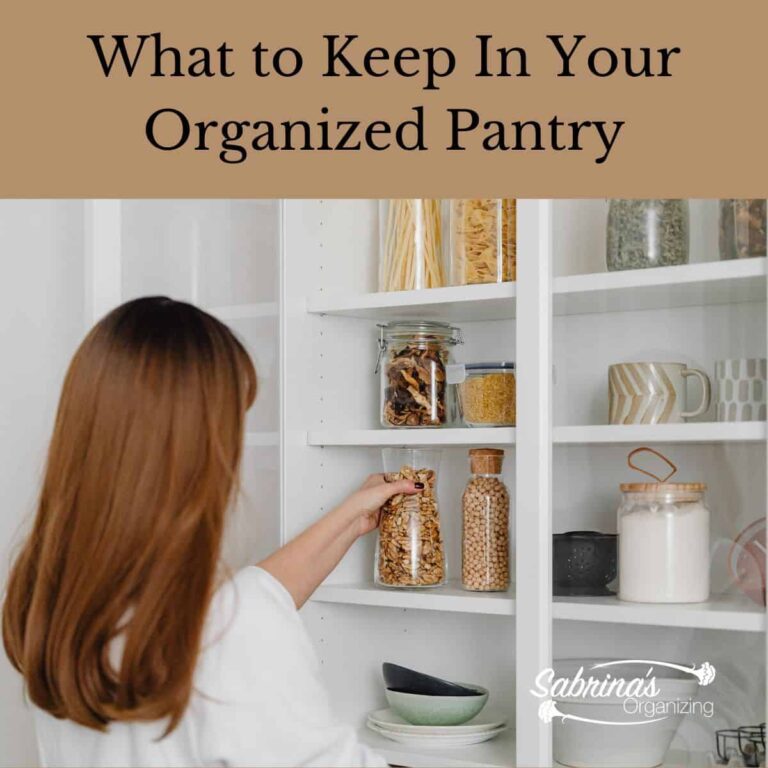
What to Keep In Your Organized Pantry
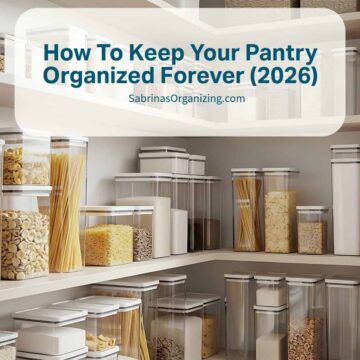
Have you ever walked into your pantry and said, "Where are my ….?" While rearranging cans and jars to find that one item, you make even more of a mess with all the other items. Feeling so overwhelmed.
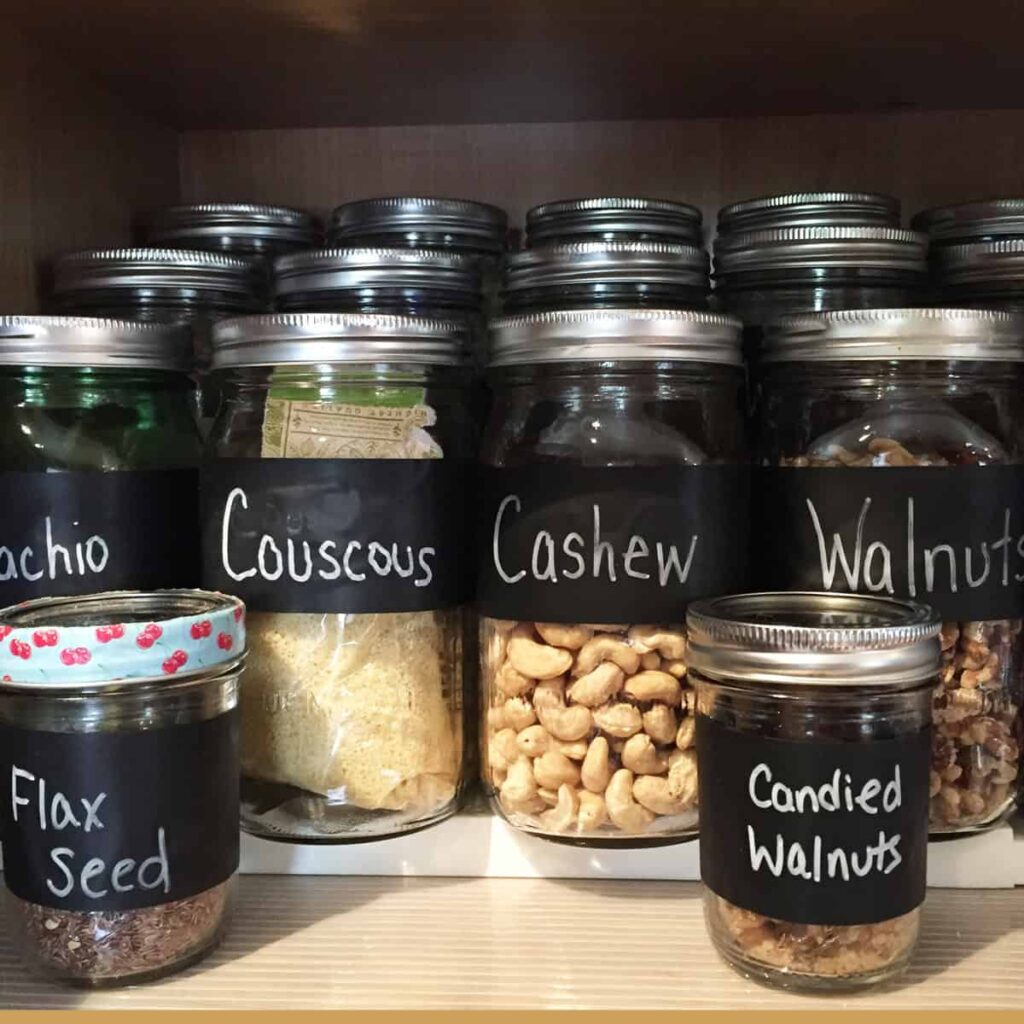
Use Simple Labels to Keep It Consistent
Once everything is grouped and returned to the pantry, labels (affiliate) can help keep it that way.
Labels (affiliate) don't have to be perfect or overly detailed. Even simple category labels (affiliate) like "Snacks," "Pasta," or "Breakfast" can make it easier for everyone in the household to follow the system.
This is especially helpful if multiple people are using the pantry. Without labels (affiliate), things tend to drift over time. With labels, there's a clear reminder of where things belong.
If you're using bins, labeling the front of each bin can be enough. If you're not using bins, small shelf labels, or even just keeping categories consistent, it can still make a difference.
The goal isn't to make it look perfect. It's to make maintenance easy, without having to think about it every time you put something away.

Label Maker By Brother P-Touch, PTM95,
Buy Now →
Label Maker - P-touch CUBE Plus Bluetooth, white uses an APP
Buy Now →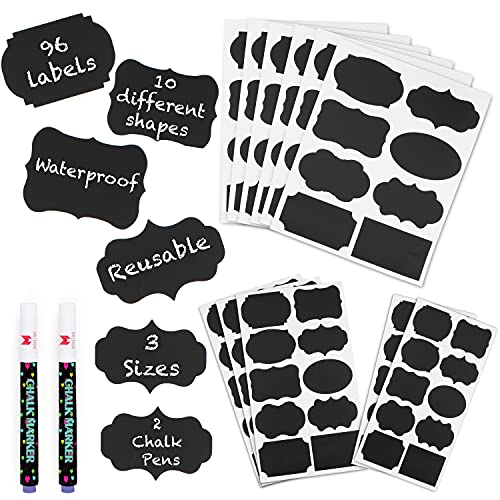
Label Stickers 96pcs by Mantah Chalkboard
Buy Now →(affiliate)
Do a Quick Check Before Shopping
Before heading to the store, take a minute to look through your pantry. You don't need a full inventory. Just a quick scan to see what you already have.
This helps you avoid buying duplicates and keeps your grocery list more intentional. It also gives you meal ideas based on what you already have at home.
If you notice you already have a few meals' worth of ingredients, you might decide to skip buying certain items altogether that week. Even small adjustments like this can add up over time.
Some people like to keep a running list on their phone or a small notepad nearby, but even without that, a quick check can go a long way.

Meal Planner, Spiral, Pull-off Grocery Shopping Lists, Kitchen Management
Buy Now →(affiliate)
Keep Frequently Used Items Front and Center
Certain items get used more often than others. These should be the easiest to grab.
Things like snacks, breakfast items, or commonly used ingredients should be placed where they're easy to see and reach. This keeps your daily routine (affiliate) simple and reduces the chances of overbuying those same items.
Less frequently used items can be moved to the back or to higher shelves (affiliate). This way, your pantry reflects how you actually use it, not just how it looks.
When your most-used items are easy to access, you're more likely to stay consistent with the system.
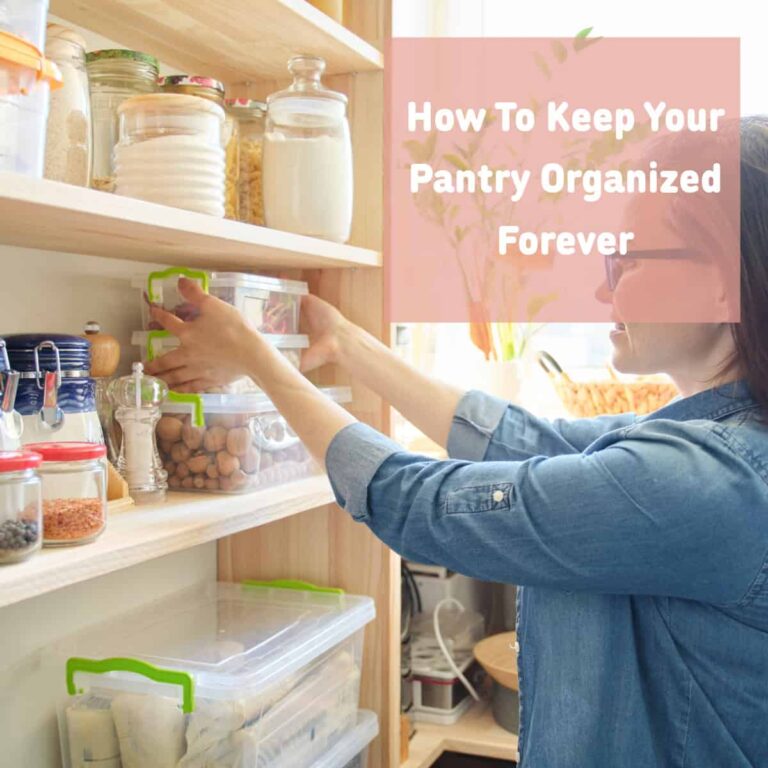
How To Keep Your Pantry Organized Forever
Does this ever happen to you? Arriving home from the grocery store and placing all the pantry items away, you are so proud of how you organized it.
Reset as You Go
Your pantry doesn't need to be fully reorganized every time it gets a little out of whack. Small resets along the way make a big difference.
If you notice things starting to pile up or shift out of place, take a few minutes to straighten them out. Put items back in their categories, bring older items forward, and clear out anything that's no longer good.
These small check-ins prevent things from getting out of control again and keep your system working without needing a full reset.
Keep It Simple
Your pantry doesn't need to look perfect or overly styled to work well. The goal is to make it easy to find what you have and use it before it goes to waste.
When your pantry is set up to fit your daily routine (affiliate), you naturally buy less, waste less, and get more out of the groceries you bring home.
It's not about creating a system that looks good for a moment. It's about creating one that holds up over time without requiring much effort to maintain.
A well-organized pantry supports your day-to-day life in a simple, practical way. And over time, it can make a real difference in how much you spend at the grocery store.
FAQs about Organizing a Pantry
Most households see savings in two places: fewer duplicate purchases and less food thrown away. When you can clearly see what you already own, you stop buying a third jar of pasta sauce or another box of crackers you forgot about.
While the exact amount varies, even cutting one or two duplicate items per shopping trip and using up what you already have can add up to meaningful savings over the course of a month.
No. A functional pantry comes from grouping items by category and keeping them visible, not from matching containers. If you already own bins, use them, especially for loose snacks or seasoning packets.
If you don't, simply spacing items out, turning labels forward, and keeping similar things together will make a noticeable difference.
The system matters far more than the look.
A "Use First" section is a small, designated area in your pantry for items that need to be eaten soon, are close to expiring, are already opened, or have been sitting for a while.
It can be a single bin, a corner of a shelf, or a labeled basket at eye level. Checking this spot before you cook or pack lunches helps you use food while it's still good, rather than discovering it has expired later.
A full reset, taking everything out and re-sorting, only needs to happen once or twice a year. In between, small resets are far more effective.
Spend a few minutes before each grocery trip straightening categories, pulling older items forward, and tossing anything past its eat by date. These quick check-ins keep the system working without requiring another big overhaul.
In smaller spaces, accessibility is everything. Keep items in a single row whenever possible so nothing gets buried in the back.
Place frequently used items, like breakfast foods and snacks, at eye level where they're easy to grab. Move less-used items, such as backup baking supplies or specialty ingredients, to higher or lower shelves. A simple shelf riser can also help you see items in the back row without rearranging everything.
Check out Sabrina's Organizing post: What to Keep in an Organized Pantry, where she shows you which shelf each group should be on for maximum efficiency.
Thanks, Gillian, for contributing to Sabrina's Organizing blog.
Gillian Economou is a professional organizer and the owner of Sort It Out, a home organizing company serving Washington, D.C., Northern Virginia, and Maryland. She and her team help busy individuals and families declutter and simplify their homes with a practical, judgment-free approach. They provide decluttering, organizing, packing, and unpacking services for all areas of the home.
Visit our other Pantry DIY Organization Posts!