If you struggle with sleep, I want you to know you are not alone. I deal with sleep challenges myself, and I know firsthand how frustrating it is to lie awake at night feeling exhausted but unable to settle down. Over the years, I have learned something important: your bedroom environment plays a much bigger role in how well you sleep than most people realize.
Jump to:
- Key Takeaways
- Why Clutter Ruins Your Sleep Before You Even Close Your Eyes
- Decluttering & Storage Products
- Feng Shui Principles That Actually Affect Your Rest
- Ambiance Products
- Closet Organization Strategies That Keep Chaos Out of Sight
- EZStax
- Nightstand Setup That Supports Sleep
- Nightstand Organizer
- Dresser Organization That Ends Bedroom Chaos for Good
- Catch-all for nightstand
- Dresser Drawer Organizer Options
- Bed Linens and Bedding: The Overlooked Sleep Upgrade
- Create a Calming Bedtime Routine That Starts with Your Space
- How to Make Repurposed DIY Day of the Week Closet Dividers
- How to Make Masculine Days of the Week Clothing Organizer
- How to Make a Chalk Paint Days of the Week Clothing Organizer
- DIY Affordable Weekday Clothing Organizer - upcycling project
- Quick Wins: Where to Start Tonight
- You Deserve a Bedroom That Works for You
- FAQs about improving your sleep by modifying things in your bedroom
Key Takeaways
- Your bedroom environment significantly affects your sleep quality, so decluttering is essential for better rest.
- Clear surfaces, remove non-bedroom items, and establish a nightly reset routine (affiliate) to create a calming space.
- Implement feng shui principles by carefully placing your bed and minimizing visual stimulation from objects around it.
- Organize your closet and dresser to eliminate visual chaos and reduce decision fatigue before bed.
- Create a bedtime routine (affiliate) that incorporates these organizing principles for a truly restful night.
Many of us invest in a good mattress and blackout curtains (both great choices, by the way!), but overlook that a cluttered nightstand (affiliate), an overflowing closet, and a chaotic dresser are quietly working against us. Your brain picks up on all of that visual noise, even when you are not consciously thinking about it.
Guess what - you do not need a complete bedroom makeover or a huge budget to make meaningful changes. Small, intentional organizing upgrades can make a real difference in how quickly you fall asleep and how rested you feel in the morning. I have seen it work for my clients and experienced it in my own home.
If you are ready to turn your bedroom into a true sleep sanctuary, I wrote a whole post about this: 13 Ways to Make Your Bedroom an Oasis. It is one of my most popular posts, and for good reason. Today, we are going to dig even deeper into the specific upgrades that can help you get the rest you deserve. Follow along and make your minor adjustments for a better night's sleep.
Why Clutter Ruins Your Sleep Before You Even Close Your Eyes
Here is something that really opened my eyes: your brain does not simply shut off because you tell it to. When you climb into bed surrounded by piles of clothes, stacks of books, and random items covering every surface, your subconscious mind registers it all as unfinished business. It triggers a low-level stress response that keeps your nervous system on alert instead of allowing it to transition into rest mode.
I experienced firsthand the sleep disruption caused by clutter when we were painting my daughter's room and had to move all her stuff into our bedroom. Boy, did I have a restless night's sleep for about a week.
Research on environmental psychology supports this. A well-known study from UCLA's Center on Everyday Lives of Families found that people who described their homes using words related to clutter and unfinished projects had higher cortisol levels throughout the day-a pattern linked to poorer health outcomes. Meanwhile, research from Princeton University's Neuroscience Institute showed that visual clutter competes for your brain's attention, essentially overloading the visual cortex and making it harder to focus, relax, and wind down. When your bedroom feels chaotic, your cortisol stays elevated, making it harder to fall asleep and easier to wake up during the night. I have felt this firsthand on nights when my room is not in order. The difference is real.
The non-negotiables for a clutter-free sleep space:
Clear all horizontal surfaces before bed. Nightstands (affiliate), dressers, and chairs should not be holding tomorrow's to-do list. If you can see it, your brain starts thinking about it. I know this one is tough, especially after a long day, but it makes such a difference.
Remove anything that does not belong in a bedroom. Work documents, gym equipment, laundry baskets full of clean clothes waiting to be folded-these are stress triggers disguised as harmless objects. If it does not support sleep or getting dressed, find it another home.
Implement a 10-minute nightly reset routine (affiliate). Every night before bed, do a quick sweep of your room and put things back where they belong. This simple habit signals to your brain that the day is done and it is time to wind down. I share lots of quick routines like this in my Making a Bedroom Oasis Challenge if you need help getting started.
When you eliminate visual noise, your brain starts to interpret your bedroom as a place designed for one thing: rest. That mental shift is half the battle. As I always say, "The only items that should be in your bedroom are the items you love and care to look at every morning and evening."
Additional tip: If you need encouragement to let go of items that are adding to the clutter, check out my 43 Positive Mantra Sayings to Keep You on the Decluttering Path. Sometimes a little motivational nudge is all you need to get moving. One of my favorites is: "I feel lighter every time I let things go."
Decluttering & Storage Products

Under Bed Storage with Wheels, 2Pack Under Bed Storage
Buy Now → Buy Now →
Drawer Dividers Organizer 5 Pack, Adjustable Separators 4" High Expandable from 11-17"
Buy Now →
Hangers/Premium Velvet Hangers 50 Pack - Non-Slip Clothes Hangers
Buy Now →(affiliate)
Feng Shui Principles That Actually Affect Your Rest
I know what you might be thinking-feng shui sounds a little "out there." But hear me out. Feng shui is not about mystical energy. It is really about creating flow, balance, and intention in your space. When you apply these principles to your bedroom, they actually align with what neuroscience tells us about how our environment affects sleep quality.
Start with bed placement.
Your bed should be in what feng shui practitioners call the "command position," meaning you can see the door from your bed without being directly in line with it. This is not superstition. When you cannot see the entrance to your room, your brain remains on high alert because it cannot assess potential threats.
That subtle positioning disrupts your deep sleep cycles. If you are working with a small room, my post on how to Update a Small Bedroom for an Adult has layout ideas that can help you find the best arrangement.
Next, look at what is directly across from your bed.
Mirrors, televisions, and exercise equipment create subconscious stimulation. Mirrors reflect light and activity back into the room, which can feel overstimulating at night. Televisions are obvious sleep disruptors, but even when turned off, they represent entertainment and stimulation rather than rest. Exercise equipment is a visual reminder of effort and exertion-the exact opposite of what your brain should associate with your bedroom.
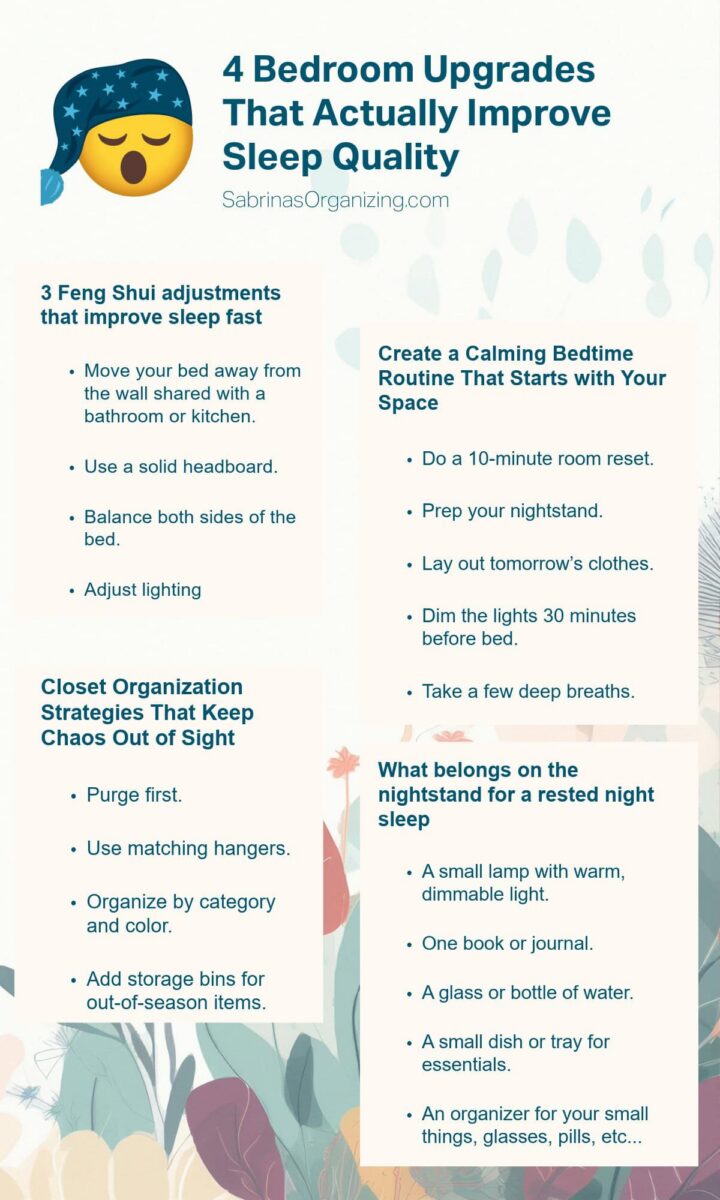
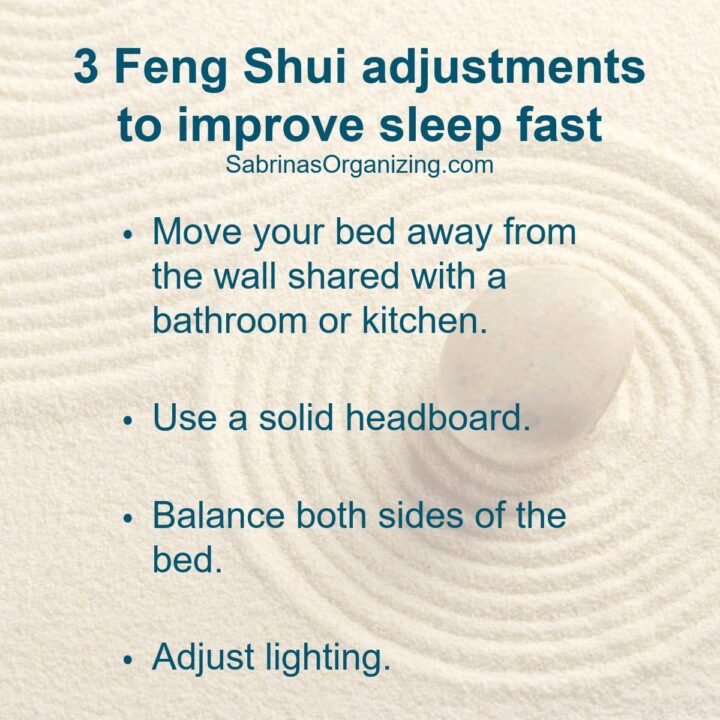
Three feng shui adjustments that improve sleep fast:
Move your bed away from the wall shared with a bathroom or kitchen. The sound of running water or humming appliances, even if barely audible, can interrupt your deep sleep stages.
Use a solid headboard (affiliate). A solid, supportive headboard (affiliate) creates a sense of stability and protection, which helps your nervous system relax. Headboards (affiliate) with gaps or open designs do the opposite. Think of it as giving your brain a "safe (affiliate)" signal.
Balance both sides of the bed. Even if you sleep alone, having matching or similarly sized nightstands (affiliate) and lamps on both sides creates visual symmetry, which the brain interprets as order and calm. It is a small detail that makes a surprising difference.
These adjustments might seem small, but they work because they reduce subconscious imbalance. When your brain does not have to process imbalance or alertness cues, it can focus entirely on rest.
Additional tip: Lighting matters here, too. If your bedroom has dark corners or feels cave-like at night, adding soft ambient light can help balance the space and make it feel more inviting. My post on How to Add Lighting to the Bookcase in a Dark Room has some easy ideas that work beautifully in bedrooms as well.
Ambiance Products
 Buy Now →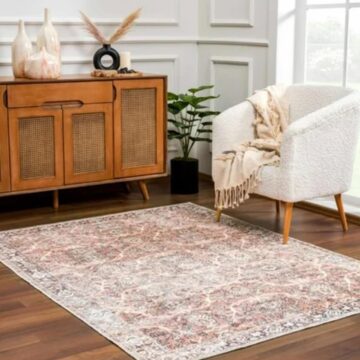
Area Rug: Hauteloom Rectangle Area Rug at Boutique Rugs
Buy Now →(affiliate)
Closet Organization Strategies That Keep Chaos Out of Sight
An organized closet does so much more than save you time in the morning. It removes a major source of decision fatigue and visual overwhelm that can make your mind go to sleep at night.
Here is what I tell my clients: even when the closet doors are closed, you know what is behind them. If your closet is bursting at the seams, you feel the weight of it every time you walk past. That sense of "I need to deal with that" lingers in your mind and adds to your overall stress level, especially right before sleep.
Here is how to fix it:
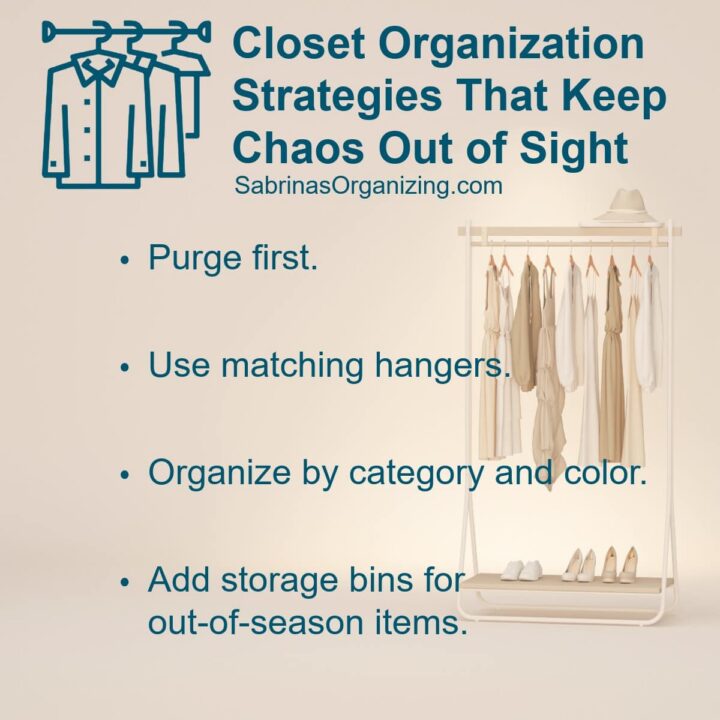
Purge first. Get rid of anything you have not worn in the past year. Donate, sell, or recycle items that no longer fit or serve you. The goal is to create breathing room so that what remains is easy to see, access, and put away. When putting clothes back feels like a wrestling match, they end up draped over your bedroom chair (affiliate) instead, which brings the clutter right back into your sleep space.
If you are not sure what to keep, my post What to Keep in Your Organized Closet can help you decide. And if you need a place to donate, check out my Charitable Donation Locations guide.
Use matching hangers (affiliate). I know this sounds trivial, but the same hangers (affiliate) create visual calm and maximize your closet space. Wire hangers (affiliate) from the dry cleaner create tangles and chaos. Invest in slim velvet or wooden hangers (affiliate) that hold clothes in place and look clean. My Essential Men's Closet Organization Tips post has specific hanger recommendations for different garment types that work for anyone's closet, especially men.
Organize by category and color. Group similar items together, then arrange them from light to dark within each category. This method reduces decision-making and creates a visually appealing look. When your closet looks like a curated collection instead of a dumping ground, it stops being a source of stress. For more on whether specific items should be hung or folded, I covered that in my post about organizing small items in the home.
Add storage bins for out-of-season items. If it is not currently wearable, it should not take up prime space in your closet. Use labeled bins on upper shelves (affiliate) or under the bed (affiliate) to store winter coats in July and swimsuits in January.
I talk about seasonal closet swaps in my Decluttering Tasks by Season post, which can help you build this habit throughout the year.
A streamlined closet means fewer items in your bedroom, fewer decisions before bed, and a cleaner visual environment that supports rest instead of disrupting it.
Additional tip: If your closet shelves (affiliate) are taking over by sportswear, try a filing system for folded clothes. I use the EZStax method in my own closet, and I shared the whole process in my How to Organize Sportswear on a Shelf post. It makes such a difference to be able to see everything at a glance.
EZStax

EZSTAX Closet Organizer and Shirt Folder | Regular Size, 20-Pack
Buy Now →(affiliate)
Nightstand Setup That Supports Sleep
Your nightstand (affiliate) is prime real estate, and I say that with love because most of us (myself included!) have been guilty of turning it into a junk drawer disguised as a bedside table. I have recently adjusted my nightstand (affiliate), and boy, did it make a difference.
What you keep within arm's reach of your bed sends direct messages to your brain about what your bedroom is for. If your nightstand (affiliate) is covered in work notebooks, charging cables for five devices, half-empty water bottles, and random receipts, you are reinforcing the idea that your bedroom is a catch-all space rather than a sleep oasis.
I wrote an entire post on The Best Ways to Do Nightstand Organizing that goes into much more detail, but here are some of them.
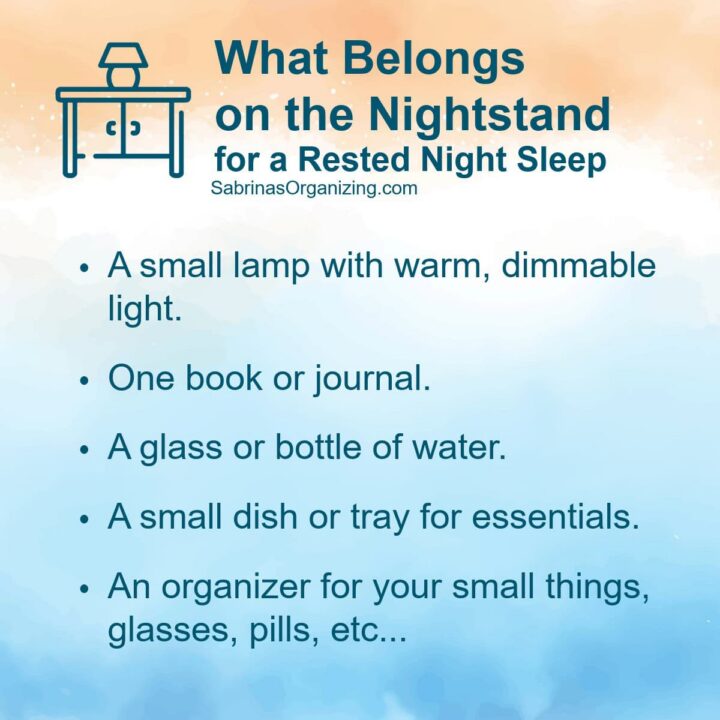
What belongs on your nightstand:
A small lamp with warm, dimmable light. Overhead lighting is too harsh before bed. A soft, adjustable lamp helps your brain transition to sleep mode. If you want to go a step further, switch to a warm-toned bulb (2700K or lower) in the evening (Affiliate).
One book or journal (affiliate). Reading before bed is a wonderful habit, but keep it to one book at a time. A stack of five sends productivity signals instead of relaxation cues.
A glass or bottle of water. Stay hydrated, but commit to one single, clean container. Not three half-finished bottles from the past week! I like using a reusable water bottle with a straw so I don't spill the water while grabbing it overnight.
A small dish or tray for essentials. Use this for your glasses, a sleep mask, or lip balm (affiliate). The tray visually contains these items so they do not create clutter. If you place your phone here, put it face down or, even better, in another room entirely. I recently purchased one that included a tissue box. It works wonderfully and is easy for me to reach at night.
Nightstand Organizer

Docking Station - Nightstand Organizer with Drawer for Valuables
Buy Now → Buy Now →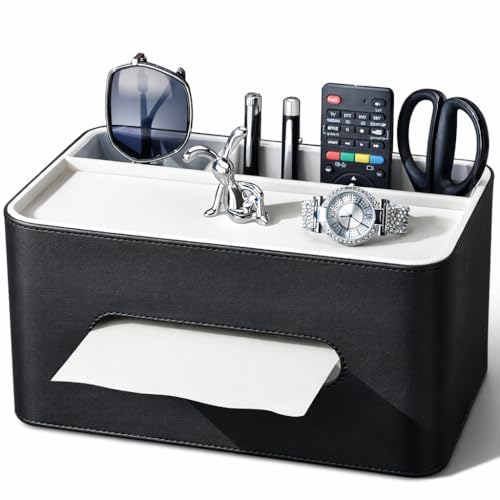
Night Stand Organizer Box Cover Rectangular with Storage Organizer Tray
Buy Now →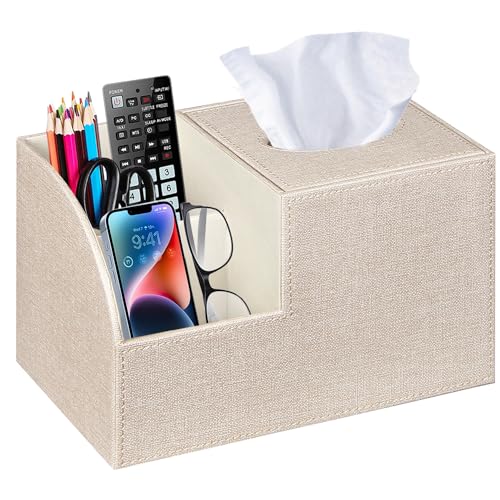
Night Stand Organizer Square Tissue Box Cover
Buy Now →(affiliate)
Everything else goes in the nightstand (affiliate) drawer or somewhere else entirely. The top surface should feel open, clean, and intentional. When you look at your nightstand (affiliate) before turning off the light, you should feel calm, not overwhelmed.
Additional tip: If tangled charging cables are part of your nightstand chaos, check out my How to Hide the Charger in the Bedroom DIY Project. It is a simple, affordable DIY that makes your nightstand look much cleaner.
And if you have a teen who struggles with nightstand clutter, my post on Organizing a Teen's Nightstand has practical ideas that work for kids of all ages.
Dresser Organization That Ends Bedroom Chaos for Good
Dressers become dumping grounds faster than any other piece of bedroom furniture (affiliate). They collect keys, mail, loose change, random cords, old receipts, and about fifteen other categories of non-clothing stuff. You are definitely not alone on this one.
When your dresser top is cluttered, it contributes to the overall visual noise in your room. Every time you walk past it, your brain logs it as something unresolved, which keeps your stress baseline higher than it should be-especially right before sleep.
Here is the fix:
Clear the dresser top completely, then add back only these items:
A small jewelry (affiliate) box or tray to corral daily accessories. This prevents necklaces, rings, and watches from spreading across the surface. If you want a creative solution for earrings specifically, take a look at my How to Make an Easy DIY Earring Organizer Picture Frame project. It keeps them visible, organized, and off the dresser.
One decorative object that brings you joy. A plant, a framed photo, or a candle. Keep it to one item because the goal is calm, not chaotic. As I mentioned in my 13 Ways to Make Your Bedroom an Oasis post, real plants or a bouquet of fresh flowers can make a room feel both alive and peaceful.
A catch-all bowl for wallet (affiliate), tissues, glasses, pills, and daily essentials. This single item prevents the dresser from becoming a horizontal filing system.
Catch-all for nightstand
 Buy Now →
 (affiliate)
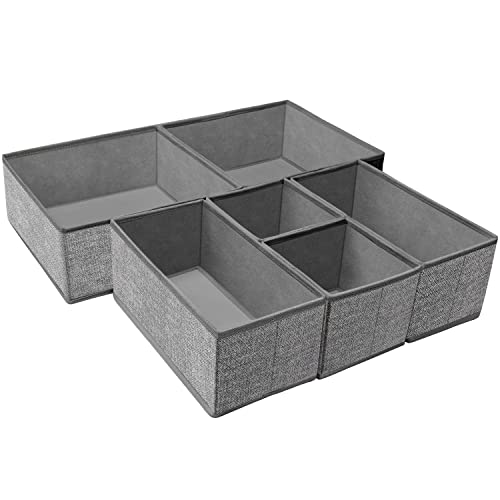
Inside the dresser, use drawer dividers (affiliate) to separate categories. Socks, underwear, workout clothes, and pajamas should each have a designated section. When everything has a home, putting laundry away takes seconds instead of minutes, which means it actually gets done instead of piling up on your bedroom chair (affiliate). Below are some organizers for your dresser drawers.
Dresser Drawer Organizer Options
Foldable Underwear Drawer Organizer, Closet Dividers, Storage Box for Clothes, Socks (6 Bins, Gray)
Buy Now →(affiliate)
Fold clothes using a filing method instead of stacking them. When you file clothes vertically, you can see everything at a glance, reducing morning decision fatigue and preventing drawer chaos. Stacked clothes always end up in a messy heap after about a week. Trust me, I have tested this myself! An organized dresser keeps your bedroom clear, which keeps your mind clear, which directly impacts how well you sleep.
Bed Linens and Bedding: The Overlooked Sleep Upgrade
While we are talking about the bedroom, let's not overlook your bed linens. Having an organized linen system means you are not digging through a messy closet at 10 p.m. looking for a clean pillowcase. That kind of small frustration right before bed adds up over time.
Keep your bedroom linens stored near your bedroom-not in a bathroom closet down the hall. I actually wrote a whole post about Why You Should Not Store Bed Linens in a Bathroom Closet, and the reasons might surprise you. Moisture from bathroom humidity can affect the freshness and quality of your sheets, which directly impacts your sleep comfort.
A few additional bedding tips for better sleep:
Wash your sheets weekly or every two weeks and have a second set ready to swap in so you are never without clean bedding.
Store folded sheet sets inside one of their own pillowcases to keep everything together and easy to grab. Place them in a dresser drawer to reduce dust on them when not in use.
Choose breathable, natural fabrics like cotton or bamboo if you tend to overheat at night. Temperature regulation is one of the biggest factors in quality sleep.
My favorites are 100% cotton or 100% bamboo sheets; both are soft and not scratchy. And, I used to work in a store called Linens n' Things years ago, and we learned a lot about sheets.
Martha Stewart's website shared how to determine what sheet count is best for you: Does Thread Count for Sheets Really Matter? Here's What the Experts Say
Keep a lightweight throw blanket at the foot of the bed for those nights when you need just a little extra warmth without overheating under your comforter.
Create a Calming Bedtime Routine That Starts with Your Space
Everything I have shared above works best when it is paired with a consistent bedtime routine (affiliate). Your organizing habits and your sleep habits go together.
Bedtime Routine Example
Here is a simple nightly routine (affiliate) that incorporates all of the organizing principles above:
Do a 10-minute room reset. Put away anything that has migrated to surfaces during the day. Return items to their homes. This is not deep cleaning-it is just a quick sweep to restore order.
Prep your nightstand. Fill your water glass, set out your book, and place your phone face down (or in another room).
Lay out tomorrow's clothes. Picking out your outfit the night before eliminates morning decision fatigue and gives you one less thing to think about when your head hits the pillow. I used a DIY weekday clothing organizer with my kids for years, and the concept works just as well for adults. Check out how I made these below.
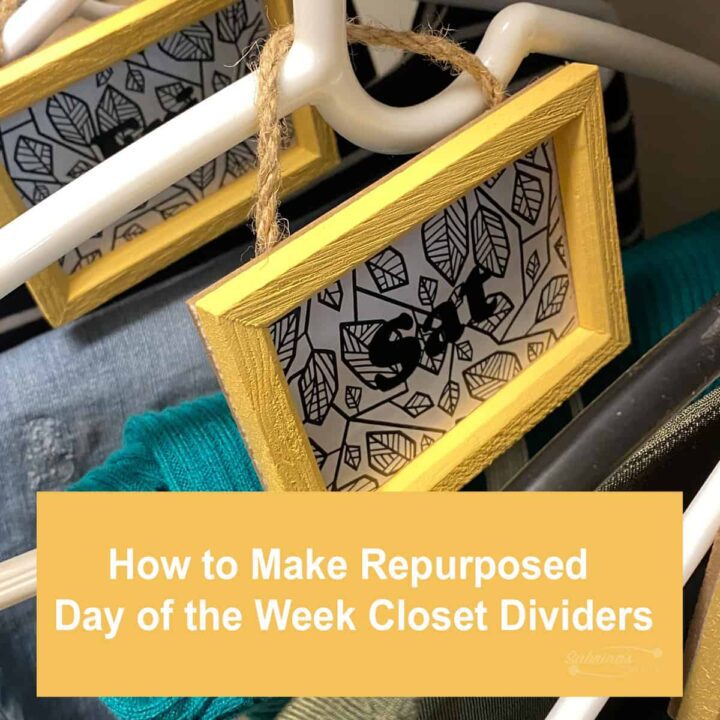
How to Make Repurposed DIY Day of the Week Closet Dividers

How to Make Masculine Days of the Week Clothing Organizer
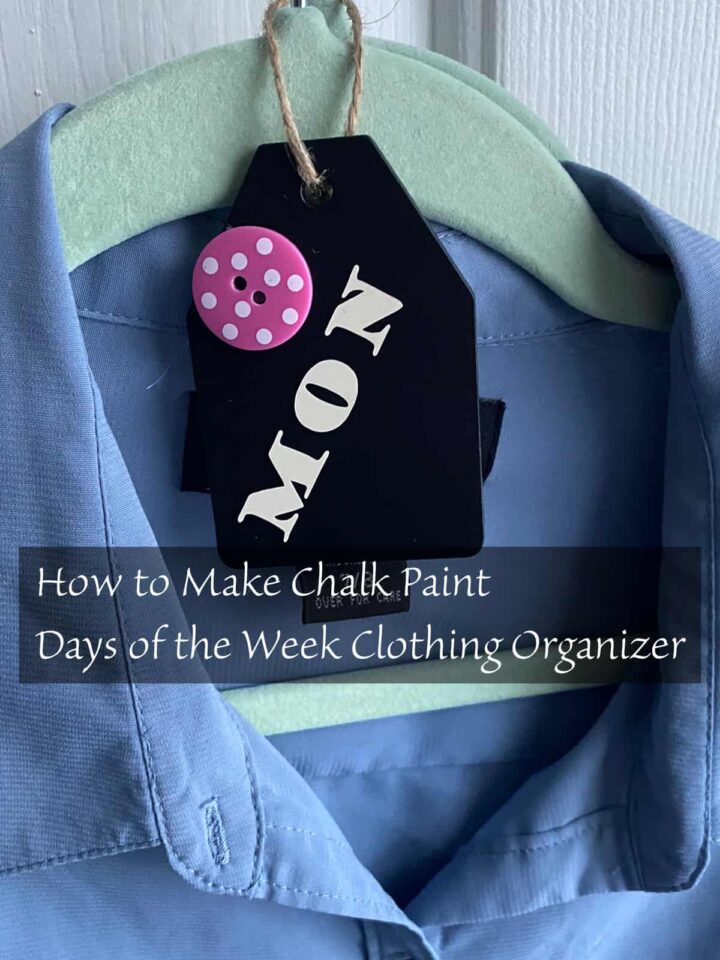
How to Make a Chalk Paint Days of the Week Clothing Organizer
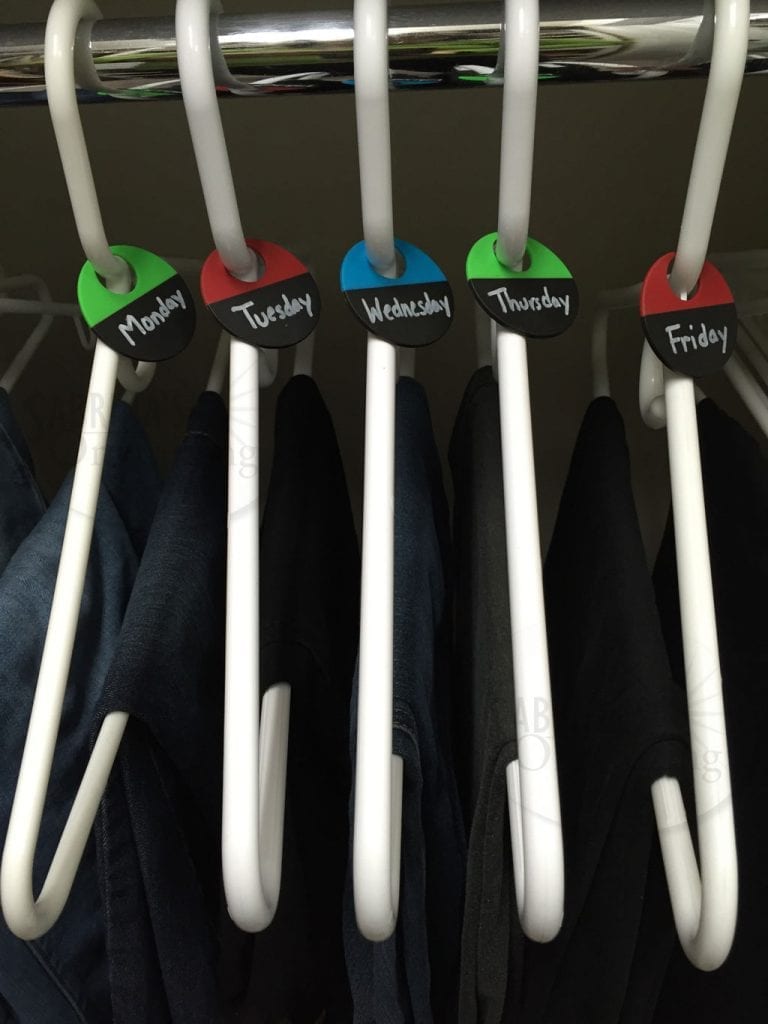
DIY Affordable Weekday Clothing Organizer - upcycling project
Dim the lights 30 minutes before bed. Switch from overhead lighting to your soft bedside lamp. This cues your brain that it is time to produce melatonin. And, if you need help, take your melatonin at this time.
Take a few deep breaths. Once you are in bed with a clean, calm space around you, take three slow, deep breaths. Let your eyes scan the room and appreciate the order you have created. You earned this moment of peace.
Quick Wins: Where to Start Tonight
I know this post covers a lot of ground, and I do not want you to feel overwhelmed. If sleep is something you struggle with (and again, I completely understand because I am right there with you), please be kind to yourself. You do not need to tackle everything at once.
Start with one area. Here are some quick wins you can tackle today:
Tonight: Clear your nightstand. Keep only your lamp, one book, a water glass, and a small tray. That is it.
This weekend: Reorganize your closet. Purge what you do not wear, switch to matching hangers (affiliate), and group by category and color.
Tomorrow: Shift your bed into the command position so you can see the door from your pillow.
Next week: Tackle your dresser-clear the top, add drawer dividers (affiliate), and start filing your clothes vertically.
Small changes compound quickly when intentional, and better sleep is worth every single one.
You Deserve a Bedroom That Works for You
Your bedroom should do one job: help you sleep. Every upgrade in this post works because it removes disruption, reduces visual stress, and creates an environment where your brain can actually let go.
I know how hard it is to function when you are not sleeping well. It affects everything-your patience, your energy, your ability to enjoy your day. Please know that these small organizing changes can really help, and you are capable of making them happen. One step at a time is perfectly fine.
For more bedroom organizing inspiration, browse all of my Bedroom Organization posts, or check out my Before and After Bedroom Organizing Tips to see real transformations in action.
And if you need a little help getting started, I am here for you. My Virtual Organizing Consultations and Solution Consultations are designed to give you personalized guidance so you can create a home (and a bedroom) that truly supports the life you want to live.
Sweet dreams! You've got this!
Full disclosure: AI assisted in bringing together all my vast post content and helped me organize it. All thoughts are my own.
Bedroom Organization Posts Roundup
Looking for more bedroom and closet-organizing ideas? Here are some of my favorite posts to help you transform your bedroom into the relaxing retreat you deserve:
- 13 Ways to Make Your Bedroom An Oasis
- The Best Ways to Do Nightstand Organizing
- How to Hide the Charger in the Bedroom DIY Project
- Before and After Bedroom Organizing Tips
- Update a Small Bedroom for an Adult
- Making a Bedroom Oasis Challenge
- Why You Should Not Store Bed Linens in a Bathroom Closet
- Organizing a Teen's Nightstand
- How to Make an Easy DIY Earring Organizer Picture Frame
- How to Add Lighting to the Bookcase in a Dark Room
- Transform an IKEA Wardrobe Cabinet DIY Project
- How to Organize Sportswear on a Shelf
- Essential Men's Closet Organization Tips
- 43 Positive Mantra Sayings to Keep You on the Decluttering Path
- Decluttering Tasks by Season
- Browse All Bedroom Organization Posts
FAQs about improving your sleep by modifying things in your bedroom
Bedroom clutter creates visual noise that your brain interprets as unfinished tasks. Research by UCLA found that people who described their homes as cluttered had higher cortisol levels throughout the day.
This elevated stress response makes it harder to fall asleep, easier to wake up at night, and reduces the overall quality of your sleep. Even when you are not consciously thinking about the mess, your subconscious mind is processing it.
Clearing surfaces and keeping your bedroom tidy can help your nervous system shift into a relaxed state more easily at bedtime.
Keep your nightstand minimal and intentional. The only items that belong on top are a small lamp with warm, dimmable light, one book or journal, a glass or bottle of water, and a small dish or tray for your glasses or sleep mask. Everything else should go in the nightstand drawer or somewhere outside the bedroom.
Tangled charging cables and stacks of papers send stress signals to your brain right before bed. I share a complete system in my post on The Best Ways to Do Nightstand Organizing.
The command position means placing your bed so you can see the bedroom door from your pillow without being directly in line with it. This is not just a feng shui tradition-it aligns with how our brains are wired. When you cannot see the entrance to your room, your subconscious stays on high alert, monitoring for potential threats.
This low-level of distraction disrupts deep sleep cycles. Positioning your bed in the command position helps your nervous system feel safe, supporting deeper, more restful sleep.
I personally noticed a difference when moving my bed from really close to the door. To the other side of the room, away from the door.
I recommend doing a thorough closet purge at least twice a year, ideally at the change of seasons when you are swapping out warm- and cold-weather clothing.
A seasonal approach keeps your closet manageable and prevents it from reaching the overwhelming, bursting-at-the-seams stage.
Between deep purges, do a quick check once a month to return misplaced items, remove anything you have stopped wearing, and make sure everything is easy to see and access. For a seasonal system, check out my Decluttering Tasks by Season post.
Bathrooms generate a lot of humidity from showers, baths, and running water. Storing your bed linens in a bathroom closet exposes them to moisture, which can lead to musty odors, mildew, and a less-than-fresh feel when you put them on your bed.
For the best sleep experience, store your sheets and pillowcases in a linen closet near your bedroom or in your bedroom closet where the air stays drier. I go into more detail in my post Why You Should Not Store Bed Linens in a Bathroom Closet.
Less is more when it comes to your dresser top. Limit it to three items: a small jewelry box or tray for daily accessories, one decorative object that brings you joy (a plant, candle, or framed photo), and a catch-all bowl for your keys, wallet, and daily essentials.
These three items keep the surface functional without creating visual clutter. Inside the dresser, use drawer dividers and fold clothes vertically using a filing method so you can see everything immediately.
While organizing alone is not a cure for chronic insomnia, it absolutely contributes to better sleep hygiene, which is one of the first things sleep experts recommend.
A tidy, calm bedroom environment helps your brain associate the space with rest rather than stress. When you eliminate visual clutter, balance your furniture layout, and create a consistent bedtime reset routine, you are reducing the subconscious disruption that keeps your nervous system on alert.
For anyone dealing with persistent sleep issues, these organizing changes are a wonderful complement to the guidance of a healthcare professional.
Start by making it easy for everyone. When things have a clear, accessible home, people are far more likely to put them away.
Use labeled bins, matching hangers, and drawer dividers so the whole family knows exactly where things go. I also recommend building a quick 10-minute nightly reset into your family's routine-make it a team effort. Kids especially respond well to visual systems and challenges.
My Making a Bedroom Oasis Challenge breaks the process into small daily steps that even busy families can manage.