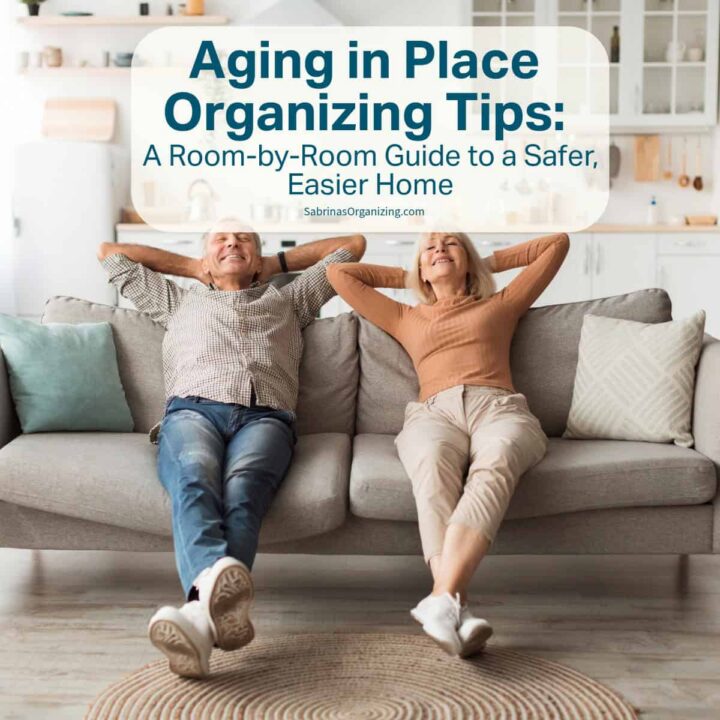
Aging-in-place organizing is one of the kindest things you can do for an aging parent, or for your future self. Most of us want to stay in the homes we love for as long as we can. But the stairs, cabinets, and closets that worked at 45 can quietly become hazards at 75. After 25+ years of helping families get organized, and helping my own parents and in-laws, I've learned that you don't need a big remodel to make a home safer. You just need the right things in the right places. In this guide, I'll walk you through simple, low-cost, room-by-room changes that help older adults stay safe (affiliate), independent, and comfortable at home
Quick Answer: What Is Aging in Place Organizing?
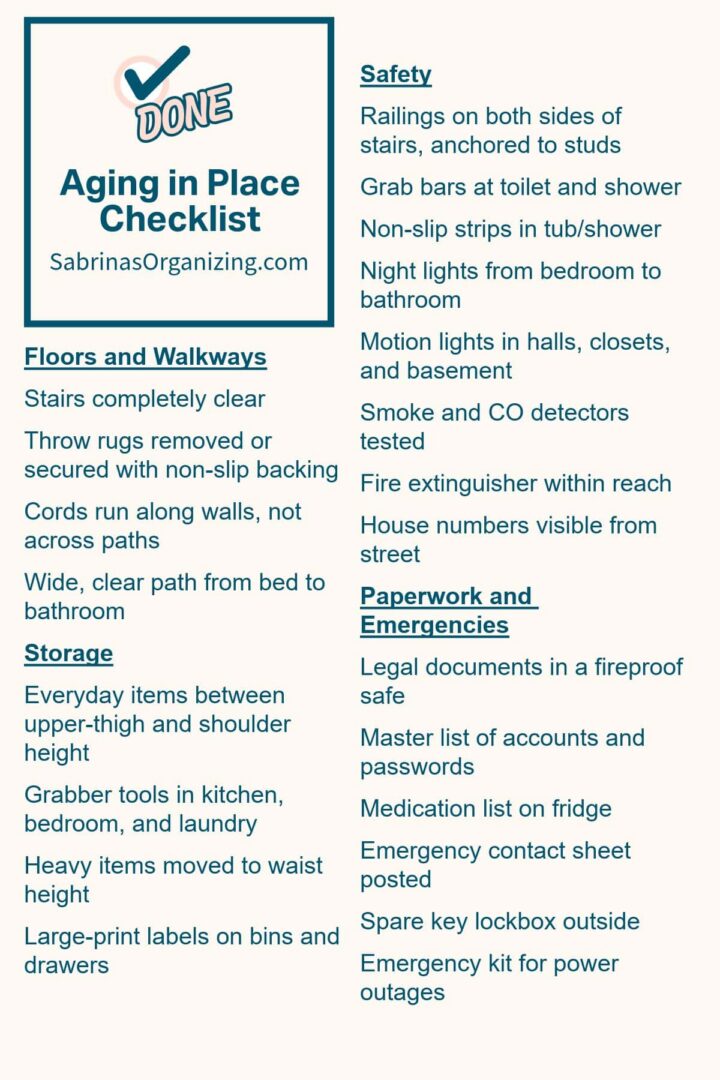
Aging-in-place organizing means arranging a home so an older adult can live there safely, comfortably, and independently for as long as possible. The core steps are to clear floors and walkways, store everyday items between hip and shoulder height, add lighting and grab bars, move daily living items to one floor when possible, and keep important documents in one easy-to-find place. Small, low-cost changes made now prevent falls and stress later.
Estimated reading time: 1 minute
Jump to:
- Quick Answer: What Is Aging in Place Organizing?
- Key Takeaways
- Why AM I writing this post?
- Why Aging in Place Starts With Organizing
- Start With a Walk-Through
- The Golden Rule: The Easy-Reach Zone
- Entryway and Stairs
- Kitchen
- Bathroom
- Bedroom and Closet
- Laundry
- Living Room
- Lighting Throughout the Home
- Outdoor Areas
- Paperwork, Medications, and Emergency Info
- Technology That Helps
- Decluttering Without the Fights
- When It's Time to Consider Downsizing
- Tips You May Have Missed
- Frequently Asked Questions
Key Takeaways
- Aging in place organizing tips help make homes safer for older people without major renovations.
- Store everyday items within easy reach to prevent falls from bending or reaching too high.
- Clear clutter, improve lighting, and install grab bars in key (affiliate) areas to reduce fall risks.
- Involve your parents and partners in the organizing process to maintain their independence and dignity.
- Gather important documents and emergency info now to ease stress in future situations.
Note: The links below are affiliate links from Amazon (affiliate) and other associates. If you click through and buy something on their websites, I will receive a small commission. Thank you for supporting my small business.
Why AM I writing this post?
I've written about this topic many times over the years, because so many of you are caring for aging parents (and so was I). However, our amazing Gen X population is getting older; we tend to do things for ourselves, and this post was designed to help us make updates before it's too late.
Why Aging in Place Starts With Organizing
Most older adults want to stay in their own homes as they age. AARP's surveys have found for years that roughly three out of four adults 50 and older want to stay in their current homes and communities for as long as possible. I understand why. Home holds decades of routines, memories, and comfort.
But a home that worked perfectly at 45 can become a hazard in retirement. According to the CDC, about one in four adults 65 and older falls each year, and many of those falls happen at home: on a cluttered stairway, a slippery tub, or on the way to the bathroom in the dark.
And did you know? You don't need a big remodel to make a home safer; a few modifications can make a big difference. Let's begin. I divided this up by room so you can assess each area and make small adjustments with minimal monthly/yearly costs, so when you reach retirement age, you will be ready.
Start With a Walk-Through
Before you buy a single bin or grab bar (affiliate), walk through the house with your partner or parent if you are organizing their space, and have them go through a normal day. Watch how they get out of bed, get dressed, make coffee (affiliate), carry the laundry, and get the mail.
You'll spot things you'd never notice on your own: the cabinet they stand on tiptoe to reach, the rug (affiliate) that curls up at the corner, the dim hallway, the heavy pot they struggle to lift.
A few ground rules I always share with families:
- Listen first. Your parent and partner will often tell you what's hard. "I don't use that closet anymore" usually means "I can't reach it."
- Don't act without them knowing. Rearranging a parent's kitchen while they're out can feel like a loss of control. Make decisions together.
- Go slow. One room, or even one drawer, at a time. Their stuff may have been in the same spot for 30, 40, or 50 years.
For more on this conversation, see my post on 10 easy tips for organizing an older adult's home.
The Golden Rule: The Easy-Reach Zone
If you remember only one thing from this post, make it this: store everyday items no lower than the upper thigh and no higher than the shoulder.
That's the easy-reach zone, roughly 3 to 5 feet off the floor for most people. Bending low strains knees and backs and can cause dizziness. Reaching high often requires step stools and ladders, which can lead to falls.
How to apply it:
- Put daily-use items in the easy-reach zone: dishes, medications, toiletries (affiliate), everyday clothes.
- Occasional items go just above or below it.
- Rarely used items go up high or down low, or out of the house entirely.
- Keep a grabber tool in the kitchen, bedroom (affiliate), and laundry area so there's never a reason to climb.
Entryway and Stairs
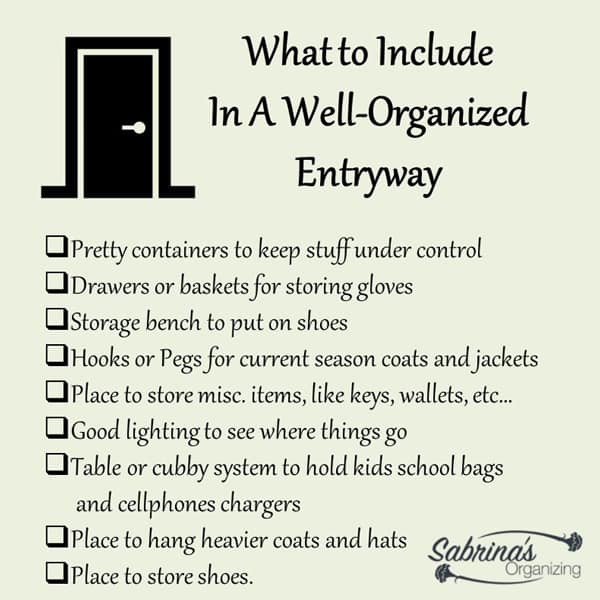
The entry and stairs are where I see the most risk, and the most clutter.
- Clear the stairs completely. No "I'll take it up later" piles. Instead, hang a wall-mounted basket at the bottom and top of the stairs to collect items that need to go up or down. Fewer trips, so nothing can become a hazard underfoot.
- Add railings on both sides and make sure they're anchored into the wall studs, not just drywall. My dad learned this the hard way when a railing pulled loose in our home when he was living with us before he passed. It's a quick fix that can prevent a serious fall.
- Consider a stair lift if stairs are becoming truly difficult, especially if the bedroom (affiliate) or only full bathroom is upstairs.
- Create a landing zone by the door. A small sturdy table or shelf for packages, groceries, and a purse means no bending to the floor and no setting things down on the stairs. Adding 50 lb. hooks or heavy-duty Coat Rack Wall Mount will be more secure if they want to add a bag of groceries there for a second while taking off their coat.
- Add a sturdy bench by the door for putting on shoes (affiliate) and boots.
- Use a key (affiliate) holder or lanyard (affiliate) in the same spot every day so keys never go missing.

Coat Rack Farmhouse Hall Tree with Bench and Shoe Storage
Buy Now →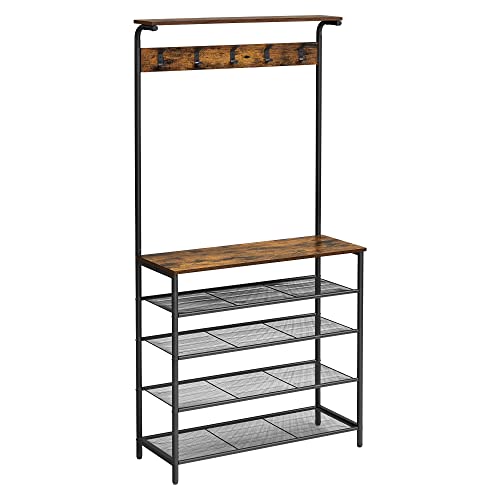 Buy Now →
Coat Rack Hall Tree with Bench and Shoe Storage, 5-in-1 Entryway Bench
Buy Now →(affiliate)
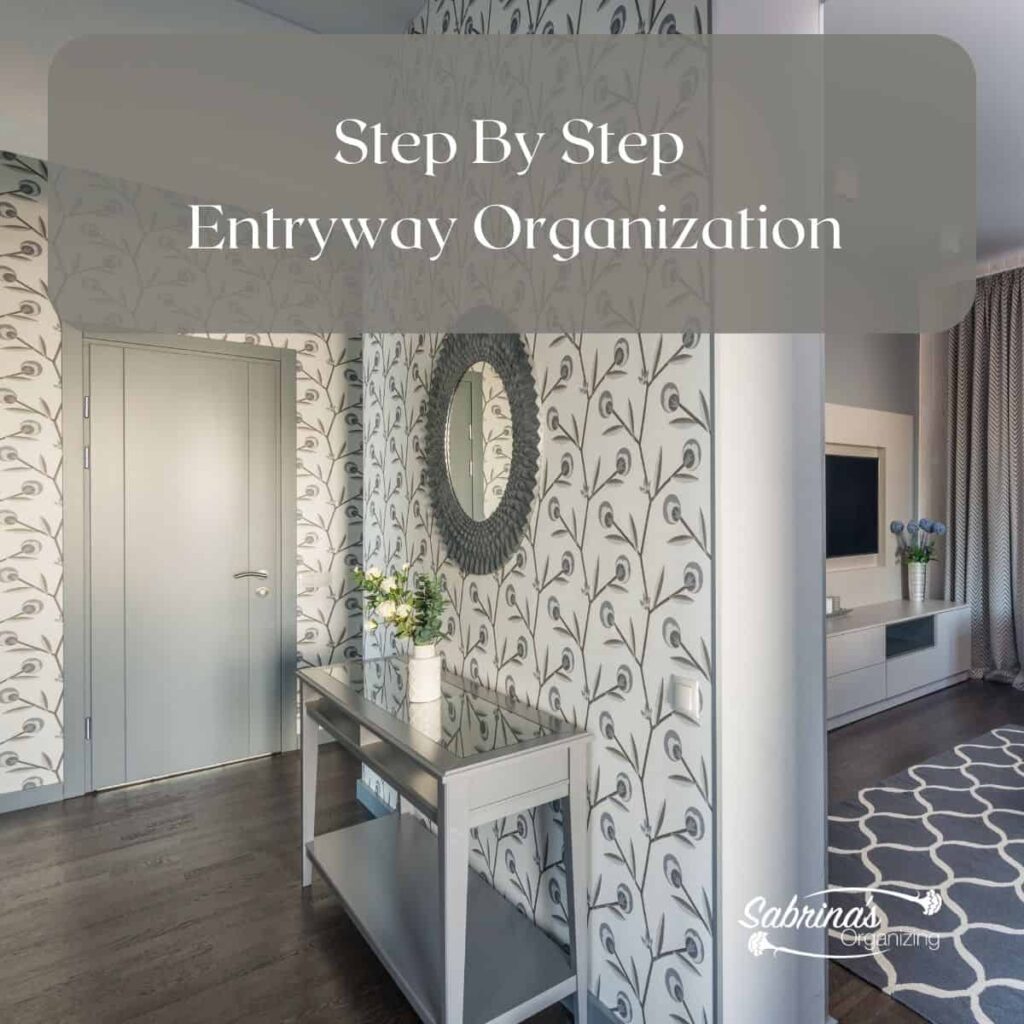
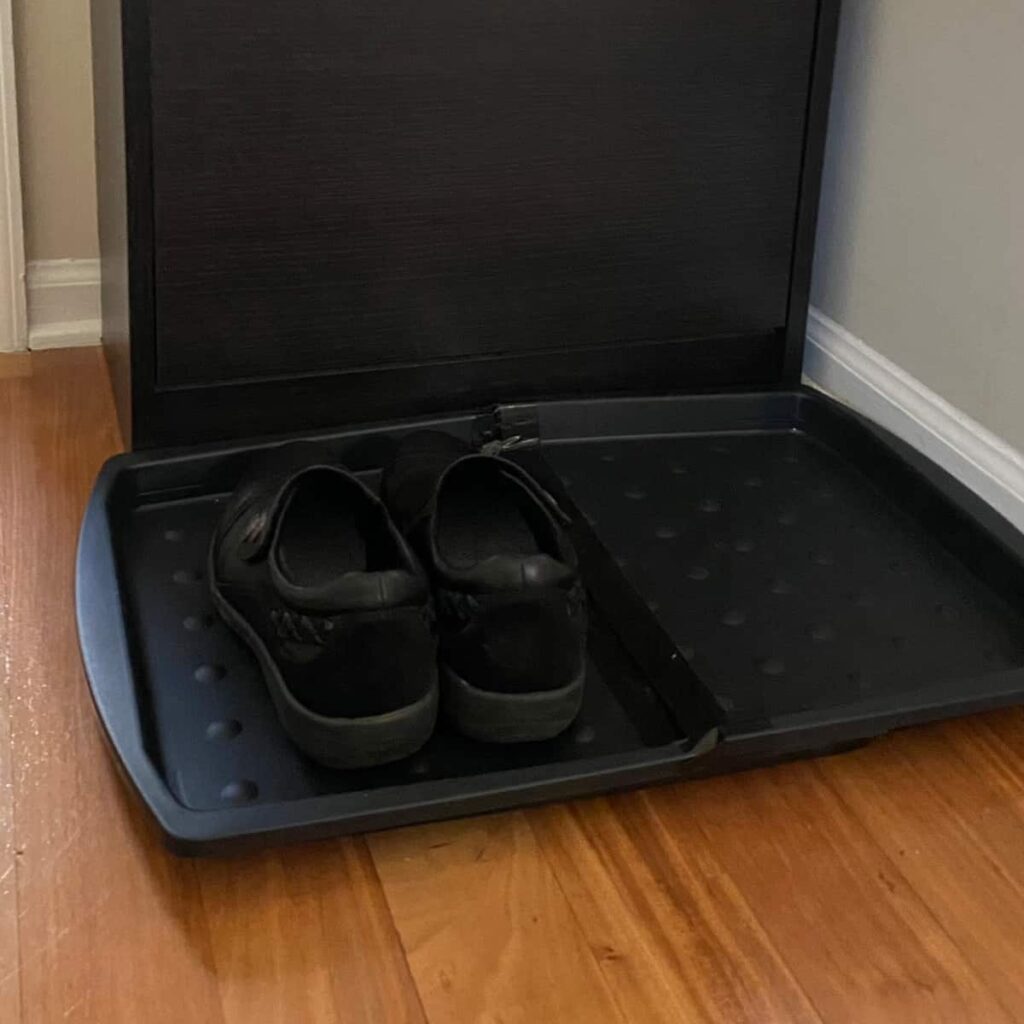
Additional entryway posts for more ideas:
Kitchen
The kitchen gets used more than any other room, so small changes here pay off every single day.
- Create a "daily station." Put the coffee (affiliate) maker, mugs, everyday plates, and a few go-to pots together on the counter or in the easiest cabinet. Everything for a typical day should be in one zone.
- Move heavy items to counter height. Cast iron and stoneware are hard on aging wrists. Swap for lighter cookware and keep the essentials at waist level.
- Switch to lighter dinnerware. Heavy plates and glasses get dropped. Lighter, easy-to-grip dishes, cups with handles, and ergonomic silverware help arthritic hands. Check out my post The Best Gift Ideas For Older Parents for additional products.
- Add pull-out shelves (affiliate) and lazy Susans (affiliate) to deep lower cabinets and the pantry (affiliate) so nothing gets lost in the back (and no one has to kneel to find it).
- Use a rolling cart (affiliate) in a larger kitchen to move items from counter to table without carrying.
- Keep jar openers and rubber grips (affiliate) handy in a top drawer near the prep area.
- Clear the countertops of anything that isn't used weekly. More open counter space means a place to set things down quickly.
- Keep water easy to reach. A filled pitcher in the fridge door or a small water dispenser on the counter helps with hydration, which older people often don't get enough of.

Grabber Tool with Articulating Rubber Head 19 inches
Buy Now →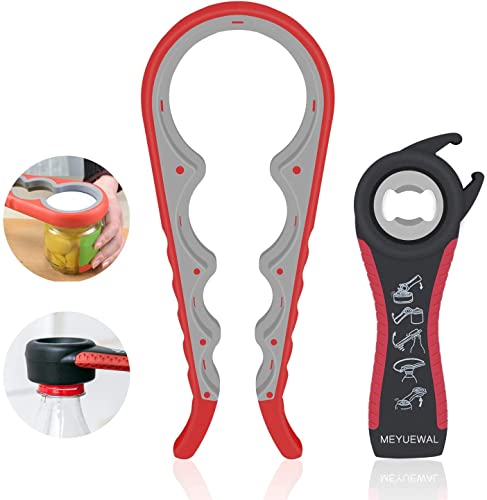
Jar Opener, 5 in 1 Multi Function Can Opener Bottle Opener Kit
Buy Now →
Large Silverware - Arthritis Aid
Buy Now → Buy Now →
Large Font Monthly Square Wall Calendar
Buy Now →(affiliate)
Below are some additional kitchen organization (affiliate) posts.

Bathroom
The bathroom is the most common place for falls inside the home. Wet floors, low toilets, and stepping over tub walls all add up.
- Install shower grab bars (affiliate) by the toilet and in the shower, anchored to studs. (Towel bars are not grab bars and will pull out of the wall or break apart when someone uses them for support.)
- Add a shower seat or transfer bench and a handheld showerhead so bathing can happen sitting down.
- Use non-slip strips or a mat in the tub and a non-slip, low-profile rug (affiliate) outside it.
- Consider a raised toilet seat or safety frame if getting up is difficult.
- Look into a tub-to-shower conversion if stepping over the tub wall is no longer safe (affiliate).
- Organize the vanity by routine. Group morning items together and evening items together, all at counter level. Toss expired products and duplicates. Check out my post about my vanity above.
- Add a night light so a middle-of-the-night trip doesn't happen in the dark.

Doorknob - Silicone Grips Nonslip 4 pk
Buy Now → Buy Now →
Motion Sensor Light for steps pk of 6
Buy Now →(affiliate)
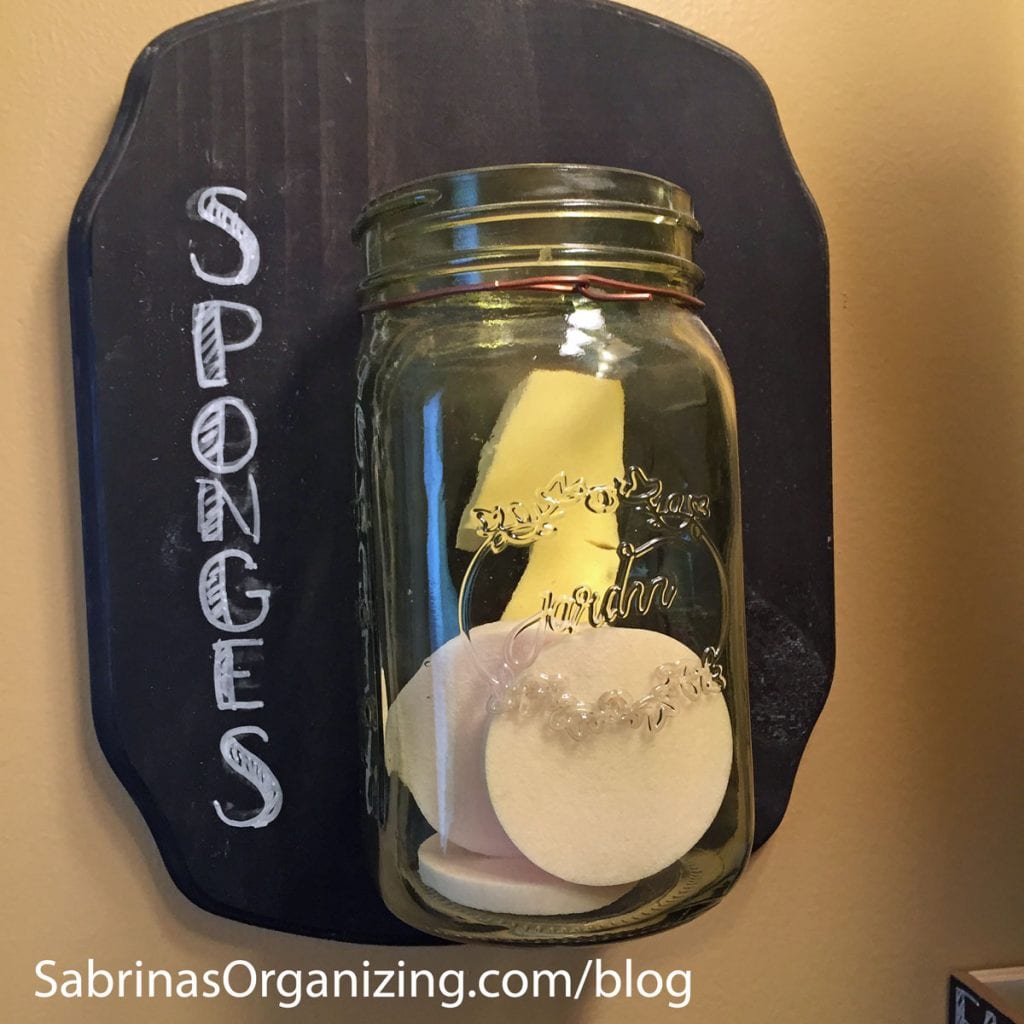
Below are additional bathroom organization ideas:

Bedroom and Closet
The bedroom (affiliate) should be the calmest, safest room in the house. But it can get very cluttered if it isn't organized well. Below are some tips for the bedroom (affiliate) and the closet that will help.
Bedroom:
- Clear a wide path from the bed to the door and from the bed to the bathroom. Remove extra furniture and anything that could be tripped over.
- Check the bed height. When sitting on the edge, your feet should rest flat on the floor with your knees at about a 90-degree angle. Bed risers (affiliate) or a lower frame can fix this. We have a higher bed, and it works best for us since we are 5 ft 6 inches and 5 ft 10 inches tall. We don't have to bend too much, which works for us.
- Add a bed rail for support when getting in and out of bed. Some people may need help moving from lying to sitting.
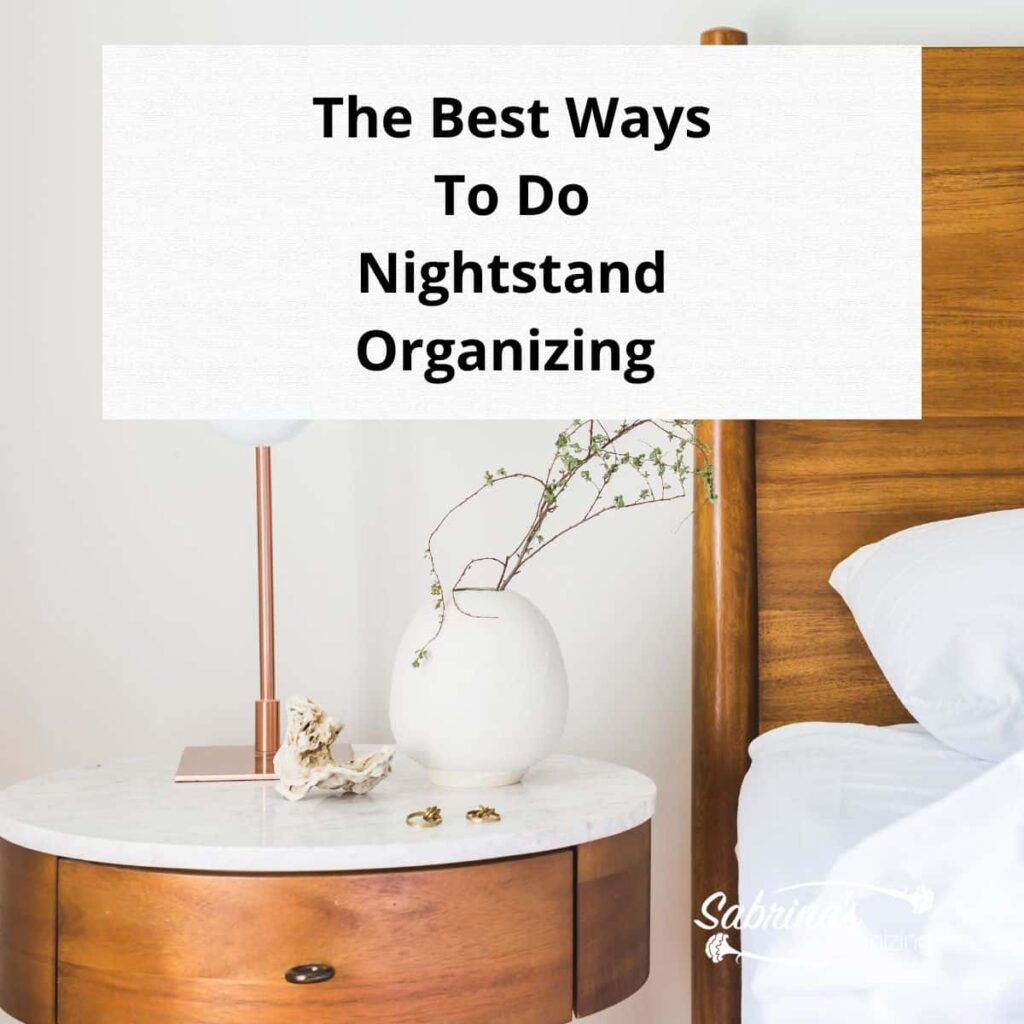
- Put a lamp, phone, glasses, water, and a flashlight on the nightstand (affiliate) within arm's reach of the bed.
- Secure or remove throw rugs (affiliate). If a rug (affiliate) must stay, use non-slip backing, either attached to the back of the rug (affiliate) or as separate padding.
Closet:
- Lower the hanging rod or add a second, lower rod so everyday clothes are in the easy-reach zone.
- Add a drop-down (pull-down) rod for any high hanging space.
- Keep shoes (affiliate) off the floor on a raised rack about two feet up so there's no bending.
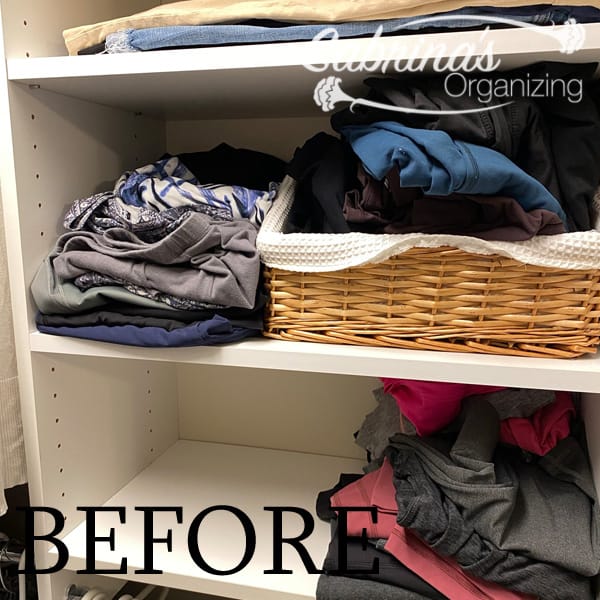
- Use pull-out drawers and baskets for folded sweaters (affiliate) so piles don't topple.
- Add a sturdy chair (affiliate) with armrests and a mirror for getting dressed.
- Set up a weekly outfit station by laying out a week's worth of outfits to save you daily decisions and energy.
- Swap knobs for lever handles on closet doors, or remove doors entirely in tight spaces.
I go much deeper on this in The Ultimate Closet Organization Tips for Older People.

Closet Hanging Rod, Adjustable Width and Height Closet Hanging Organizer 2 Pieces
Buy Now →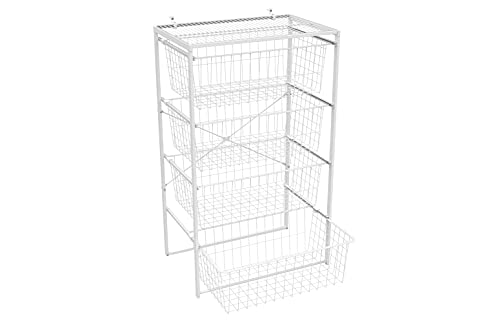
ClosetMaid Wire Basket 4 Drawer Organizer Unit
Buy Now →(affiliate)
Below are bedroom (affiliate) organization ideas:
Here are closet organization posts:

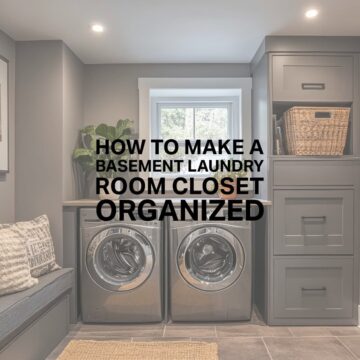
Laundry
Laundry involves a lot of bending, lifting, and carrying, often up and down basement stairs.
- Raise the baskets. Use a laundry basket (affiliate) on a rolling cart (affiliate) or table so clothes go in and out at waist height.
- Swap deep baskets for shallow ones, or use wall-mounted bins.
- Set up a folding (affiliate) station right next to the dryer so clothes are folded on the spot.
- Keep detergent in a smaller, lighter container or use pods, so there's no lifting a heavy jug.
- Consider moving laundry upstairs if the machines are in the basement. Many families add a stacked washer and dryer near the bedrooms. It's a bigger project, but it removes one of the riskiest daily trips.

Laundry Basket 3-Bag Rectangular Sorter Basket
Buy Now →
Laundry Room Glass Jars with Lids and Labels
Buy Now →(affiliate)
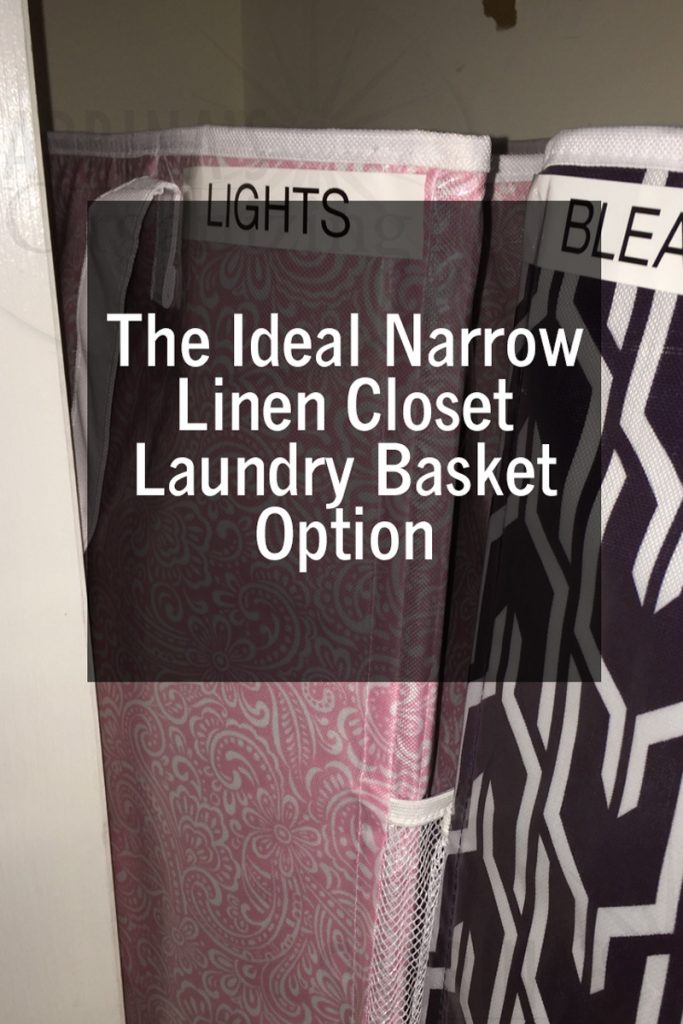
I talk a lot about laundry areas, feel free to check out my posts here:
Living Room
Let's face it, we and our parents spend a lot of time in the living room when we get older. So clearing this room is important for a safe (affiliate) home during retirement.
- Remove extra furniture to widen walkways. If a walker or wheelchair may be needed later, aim for wide, clear paths.
- Choose a chair (affiliate) that's easy to get out of: firm seat, good height, sturdy armrests. Furniture risers can raise a favorite chair (affiliate).
- Use multi-purpose furniture, like a lift-top coffee table (affiliate), to keep remotes, glasses, and reading material at hand without extra side tables.
- Tame cords. Run cords along walls or under cord covers, never across walkways.
- Add a remote caddy (affiliate) next to the chair (affiliate) so nothing slips into the cushions.
- Keep a digital photo frame instead of dozens of framed photos on every surface. It's full of grandkids and has none of the dusting.

Cable Management Box Pack of 2 - Wooden Style Cord Organizer
Buy Now →
Cable Cord Organizer Holder 8 pk ,Strong Adhesive
Buy Now →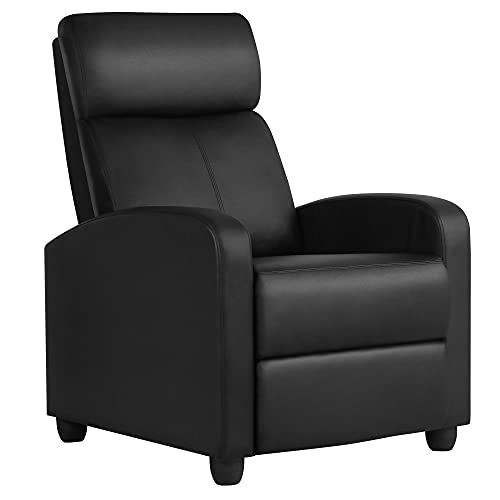
Chair Recliner PU Leather Recliner
Buy Now →(affiliate)
Visit my other living room organization posts for more inspiration.

Lighting Throughout the Home
Our eyes need more light as we age, and dark spots are where trips happen. Walk around in the evening to pinpoint the darkest areas.
- Add motion-sensor lights in hallways, closets, stairways, and the basement.
- Use plug-in night lights along the path from the bedroom (affiliate) to the bathroom.
- Brighten dim areas with higher-lumen LED bulbs (keep the color warm if harsh light bothers us and our parent's eyes as we age).
- Add light switches at both ends of halls and stairs, or use smart bulbs that turn on by voice.
- Light the inside of closets and cabinets with stick-on battery LED lights.
Motion Sensor Light for steps pk of 6
Buy Now →
Motion Sensor Lights, Rechargeable
Buy Now →(affiliate)
Outdoor Areas
It's important to look outside, not just inside, for hazard areas. Check these areas as well in your home and your parents'.
- Inspect walkways, steps, and the deck for loose boards, cracks, and uneven pavers.
- Add railings to exterior steps, even short ones.
- Light the path from the driveway to the door with solar or motion lights.
- Make house numbers large (affiliate) and visible from the street so emergency responders can find the home quickly. Check out our DIY house numbers on our package box and see how we added our numbers to our repurposed boulder for ideas.
- Switch to easy-care landscaping and raised garden beds so gardening can happen standing or sitting. See how we made our DIY raised garden beds here.
- Plan for snow and ice: keep salt (affiliate) by the door in a small, light container and line up help for shoveling before the first storm.
Paperwork, Medications, and Emergency Info
This part isn't about falls, but it's just as important. When an emergency happens, families scramble to find documents, passwords, and medication lists. Getting organized now benefits everyone.
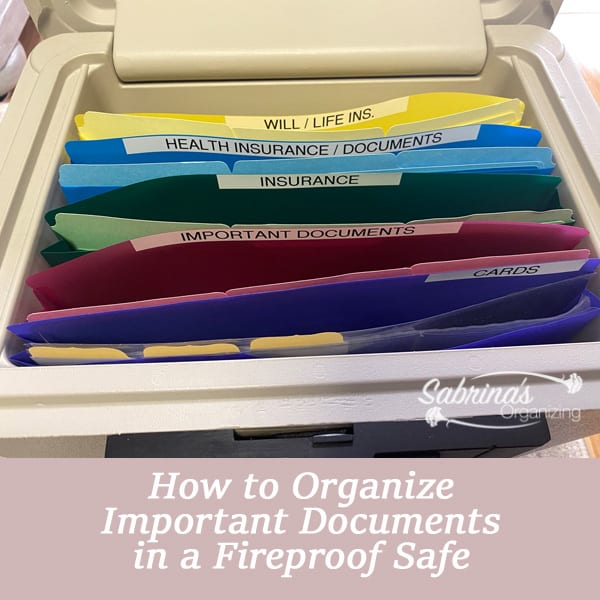
- Gather legal documents: will, living will, durable power of attorney, healthcare directive. Store originals in a fireproof safe (affiliate) and share copies with the right people.
- Make a master list of accounts: bank, credit cards, insurance, retirement, and recurring bills. A password manager can give trusted family members secure access.
- Post a medication list on the fridge (name, dose, time, prescribing doctor) and keep a copy in a purse or wallet (affiliate).
- Use a weekly pill organizer (affiliate) and keep it in the daily station, not in a high cabinet.
- Set up a simple bill-paying system: one inbox for mail, one folder for bills, and autopay where it makes sense.
- Shred what's not needed to reduce paper clutter and identity theft risk.
- Create a "Who Does What" list so siblings and family know who handles bills, appointments, groceries, and home repairs.
- Prepare for emergencies: flashlights, extra batteries, a backup phone charger, a few days of water and food, and a plan for power outages.
For a complete walkthrough, read Critical Areas to Visit When Organizing Older Parents.
Below are additional emergency preparedness posts to help you prepare different areas before an emergency.



Technology That Helps
Technology has made aging in place so much easier, as long as it's simple to use.
- Medical alert systems (affiliate) with fall detection, worn as a pendant or watch. Check your security system monitoring; they may offer this option to add to your security monthly plan. ADT is just one that offers this option.
- Smart speakers (affiliate) for hands-free calls, reminders, timers, and voice control for lights. You can choose one with large (affiliate) clock numbers to replace an existing item.
- Video doorbells so we and our parents can see who's at the door without rushing to it.
- Indoor cameras (with your parents' permission) for peace of mind when family lives far away. Keep in mind that there may be a subscription fee. Look for ones that don't require a subscription to reduce cost.
- Large-button phones or a simplified smartphone home screen.
- Cybersecurity protection to guard against scam calls, emails, and identity theft, which unfortunately often target older people, anyone over 55+.
Decluttering Without the Fights
Here's the truth: you can't make a home safe (affiliate) if it's cluttered. But decluttering a parent's home and our own home can be emotional. These are not just things; they're memories.
What I hear most often is "But what if I need it?" That's normal. It's called loss aversion: losing something feels about twice as painful as gaining something. A few strategies that help:
- Start with the easy stuff. Expired food, old magazines, duplicate kitchen tools (affiliate). Quick Wins build confidence.
- Try the "Just in Case Box." Put the maybe items in a box, seal it, and date it. If it's not opened in 3 to 12 months, donate it unopened.
- Talk about where items will go. Knowing a set of dishes is going to a grandchild or a local shelter makes letting go easier.
- Use colored dot stickers (affiliate) to mark which family member gets which heirloom. This avoids conflict later.
- Take photos of sentimental items before they leave the house.
I wrote an entire post on this mindset: How to Combat "What If" Excuses That Stop You From Decluttering.
When It's Time to Consider Downsizing
Sometimes, even with every change, the current home just doesn't work anymore. Too many stairs, too much yard, too much upkeep; aging in place doesn't always mean aging in this place.
If your parent is thinking about a move, look for a home with:
- A primary bedroom and full bathroom on the first floor.
- Level entry with few or no steps.
- Lever door handles and easy-to-turn faucets.
- Wide doorways and hallways.
- Space around the bed and toilet for a walker or wheelchair.
- Pull-out drawers in the kitchen and bath.
- Easy-care landscaping and a location close to shopping and doctors.
Learn more in How to Find the Perfect Downsizing Home.
Tips You May Have Missed
When we look at our home, we often forget the small tasks we do regularly. The ones below are smaller details I see families overlook again and again:
- Create a "first-floor living" setup. If stairs are hard, turn a first-floor den or dining room into a bedroom before you get injured, not after. It's much less stressful to plan than to scramble.
- Add contrasting tape to step edges. A strip of bright or high-contrast tape on the edge of each step (especially basement and outdoor steps) helps aging eyes see where one step ends.
- Swap round doorknobs for lever handles, or add silicone grip covers or lever extenders. They're much easier on arthritic hands.
- Replace toggle switches with large (affiliate) rocker switches or illuminated switches that are easy to find in the dark.
- Label (affiliate) in large (affiliate) print. Use big, bold labels (affiliate) on bins, drawers, and the medicine cabinet. Clear bins help too, since you can see what's inside without opening them.
- Set up a phone charging station (affiliate) at chair (affiliate) height in the room where your parent spends the most time, so the phone stays charged and within reach.
- Keep an emergency info sheet on the fridge. Many local EMS departments check it for medical conditions, medications, and emergency contacts.
- Install a lockbox with a spare key outside the home and share the code with trusted family and neighbors. In an emergency, no one has to break down a door.
- Test smoke and carbon monoxide detectors and switch to 10-year sealed-battery models so no one is climbing a ladder to change batteries.
- Keep a fire extinguisher in the kitchen at an easy-to-reach height, not under the sink behind cleaning supplies.
- Use lightweight cleaning tools (affiliate). A cordless stick vacuum (affiliate) and long-handled dustpan and mop eliminate heavy lifting and bending.
- Rethink pet supplies. Store pet food in smaller, lighter containers at counter height and use raised pet bowls. Pets underfoot are also a common trip hazard, so a pet bed away from walkways helps. Visit my practical gift ideas for pet lovers for more ideas.
- Do a seasonal safety check. Twice a year (I like to pair it with the clock changes), walk the house again, test the alarms, check railings and grab bars, swap seasonal clothes, and clear any new clutter.
- Choose gifts that support independence. Birthdays and holidays are a perfect time to add grip socks (affiliate), a grabber, motion lights, or a jar opener (affiliate). See my list of the best gift ideas for older parents.
- Mind the mental load, too. A calendar in large (affiliate) print on the fridge, a whiteboard for daily reminders, and a consistent spot for everything reduce confusion and stress, especially if memory is changing.
For more safety-specific, room-by-room upgrades, read How to Create a Safe Place for Your Parent.
Frequently Asked Questions
Below are several questions to help answer any questions you may have about aging-in-place organizing.
Aging in place means living in your own home safely, independently, and comfortably as you get older, rather than moving to assisted living or a care facility. It usually involves organizing, decluttering, and making small safety changes so the home fits changing needs.
Start with a walk-through. Have your parent (or yourself) go through a normal day while you watch for bending, reaching, climbing, and tripping hazards. Then tackle the riskiest areas first, usually the stairs, bathroom, and the path from the bedroom to the bathroom.
Store everyday items between the upper thigh and the shoulder, roughly 3 to 5 feet off the floor. This prevents bending low, which strains knees and backs, and reaching high, which leads to step stools and falls.
Yes. Many of the most effective changes are organizing changes, not construction: clearing floors, moving everyday items into easy reach, removing throw rugs, adding plug-in and motion lighting, and installing grab bars and railings. These are low-cost and can be done in a weekend.
Go slowly, involve them in every decision, and start with easy, low-emotion items like expired food or old magazines. Talk about where items will go, use a "Just in Case Box" for maybes, and never declutter while they're out of the house.
The most common hazards are cluttered stairs, loose throw rugs, cords across walkways, slippery tubs and showers, poor lighting (especially at night), and items stored too high or too low. Most of these can be fixed with organizing and inexpensive safety products.
Older people should have a will, living will, durable power of attorney, and healthcare directive, plus a master list of financial accounts, insurance policies, a current medication list, and emergency contacts. Keep originals in a fireproof safe and make sure a trusted family member knows where they are.
Consider downsizing when the home can't be adapted to daily needs, such as when the only bedroom or bathroom is upstairs and stairs are no longer safe, upkeep has become overwhelming, or your parent is isolated far from family, shopping, and medical care.
Many aging-in-place organizing changes cost very little: rearranging cabinets, removing rugs, and decluttering are free. Grab bars, motion lights, a grabber tool, and non-slip strips typically cost a modest amount each. Bigger projects like stair lifts or tub-to-shower conversions cost significantly more, so tackle the free and low-cost changes first.
Yes. A professional organizer can do a walk-through with you, spot hazards you might miss, help your parent make decluttering decisions without family tension, and set up easy-to-maintain systems. Virtual sessions are a great option when family lives far away.
Conclusion
Helping yourself or a parent age in place isn't about one big makeover. It's a series of small, thoughtful changes that add up to a home that feels safe (affiliate), familiar, and still livable for all. Start with one room. Watch, listen, and make the changes together.
Here are more posts to help you along the way:
- How to Create a Safe Place for Your Parent
- 10 Easy Tips for Organizing an Older Adult's Home
- The Ultimate Closet Organization Tips for Citizens
- Critical Areas to Visit When Organizing Older Parents
- The Best Gift Ideas for Older Parents
- How to Combat "What If" Excuses That Stop You From Decluttering
- How to Find the Perfect Downsizing Home
Need help organizing a parent's home for aging in place? Check out my virtual, task-based organizing sessions. I'll walk through the space with you and create a plan that fits your family.
Are you helping a parent age in place? Are you aging in place? What change made the biggest difference? Leave a comment below. I'd love to hear what's worked for your family.